

Science Backs It Up: 3 Fruits That Fight Fatty Liver, Regulate Sugar and Cholesterol
Science confirms that certain fruits can reduce fatty liver buildup while helping regulate blood sugar and cholesterol through fiber and antioxidants.

By: Monica Pop | Bored Daddy
Non-alcoholic fatty liver disease (NAFLD), also called metabolic dysfunction-associated steatotic liver disease (MASLD), is a common condition where excess fat builds up in the liver. This condition is strongly linked to being overweight and can often be improved with healthier lifestyle habits, according to NHS.
Some of the symptoms of a fatty liver are tiredness, feeling generally unwell, and experiencing discomfort under the ribs on the right side. However, many people don’t realize they have because most times, it comes with no symptoms at all.
The chances of developing NAFLD increase if you carry extra weight around the stomach, have type 2 diabetes, PCOS, high blood pressure, high cholesterol, live an inactive lifestyle, or are over the age of 50.
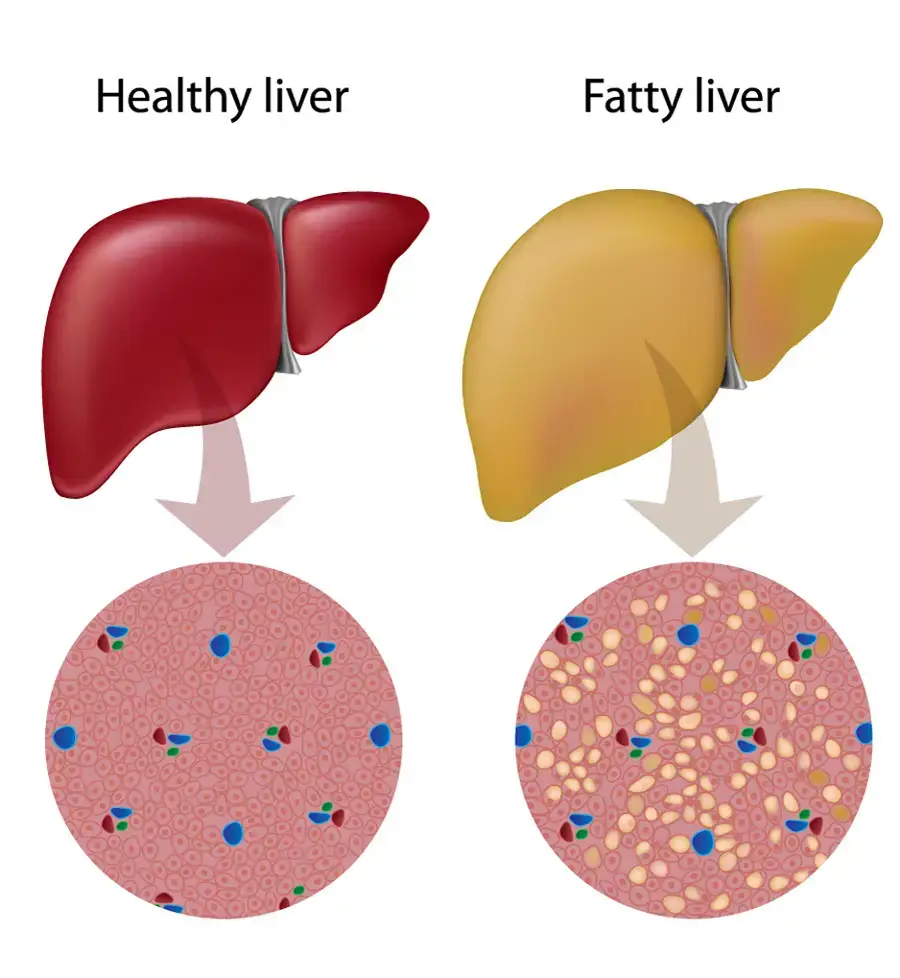
Some research suggest that diet rich in specific fruits reduces liver fat by 10-15% in 12 weeks.
Below are three scientifically backed fruits for fighting fatty liver disease, regulating blood sugar, and supporting healthy cholesterol, along with easy ways to incorporate them into your diet.
Blueberries: Little Giants against Fatty Liver Disease

Blueberries are not just a burst of deep colour and flavour: they contain anthocyanins, potent antioxidants that protect the liver from oxidative stress, help combat metabolic deviations, and maintain gut health.
One study found that eating blueberries daily was associated with reduced liver fat in people with NAFLD, as seen through imaging. The anthocyanins in blueberries could also reduce lipogenesis (fat formation) and increase lipid oxidation by liver cells. A number of human and animal studies also support their use in glucose regulation (by increasing insulin sensitivity) and, to a limited extent, the improvement of lipid profiles such as a mild decrease in LDL cholesterol.
Dr. Samuel Ball Explains What Alcohol Really Does To Your Brain And Body
Mechanistically, it seems that anthocyanins might be involved in the modulation of enzymes and signalling pathways associated with fat and glucose metabolism, leading to better insulin action and cholesterol homeostasis, such as lower LDL cholesterol.
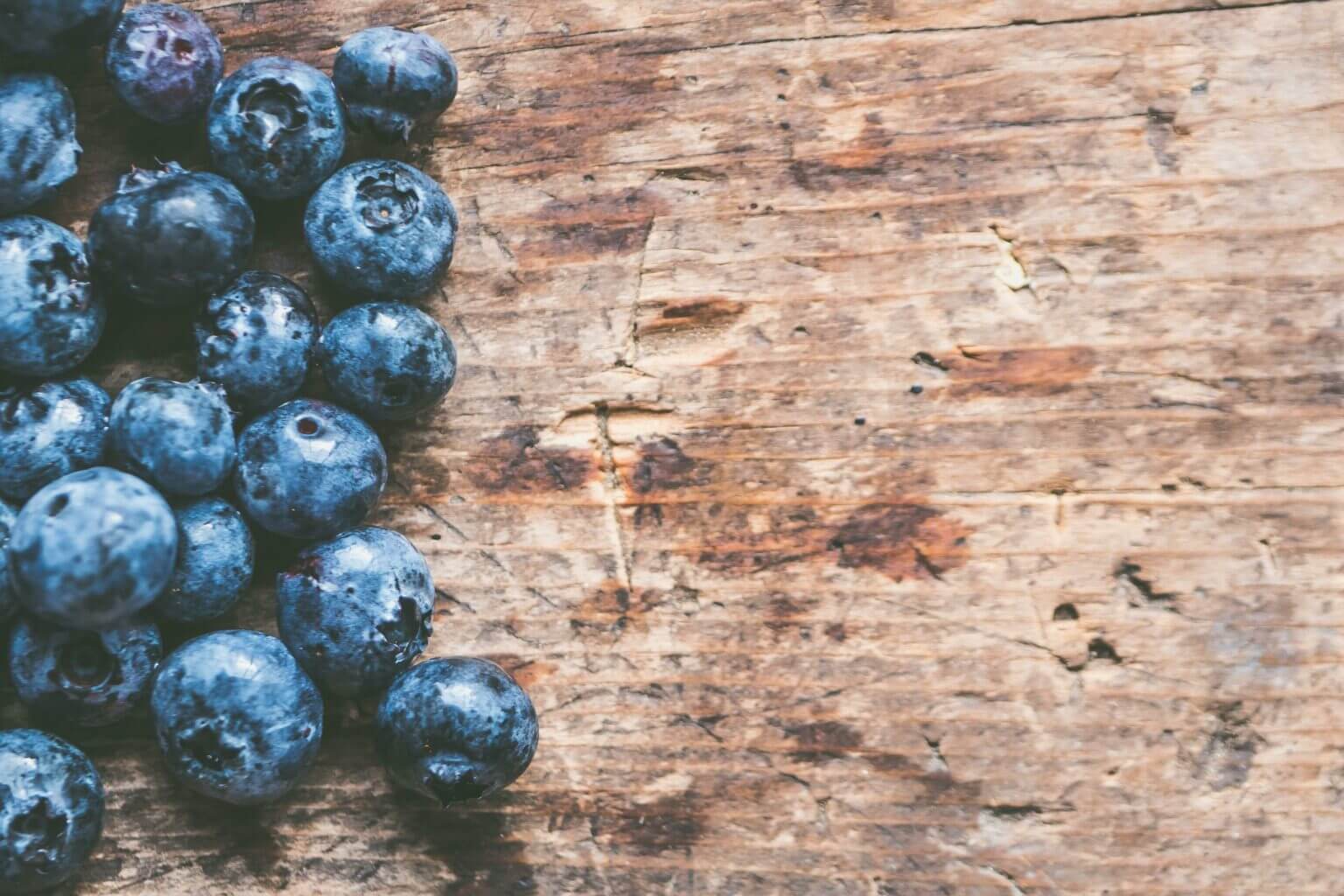
Blueberries protect the liver from oxidant damage, which initiates NAFLD, by neutralizing free radicals. They also reduce systemic inflammation, which is good for metabolism and heart health.
Throw ½ cup (or about 75 g) of fresh or frozen blueberries into your morning rotation—blend them with spinach and Greek yogurt for a sweet smoothie, or use them as a topping for oatmeal.
For a snack, you can combine them with some almonds (or other nuts).
Try to eat blueberries at least 4–5 times per week for more reliable results.
Whenever possible, select organic blueberries to limit exposure to pesticides.
Steer clear of sweetened or strained blueberry juices—they lose the fibre and can cause blood sugar to rise.
Apples: Fibber and Polyphenols for a Healthy Liver
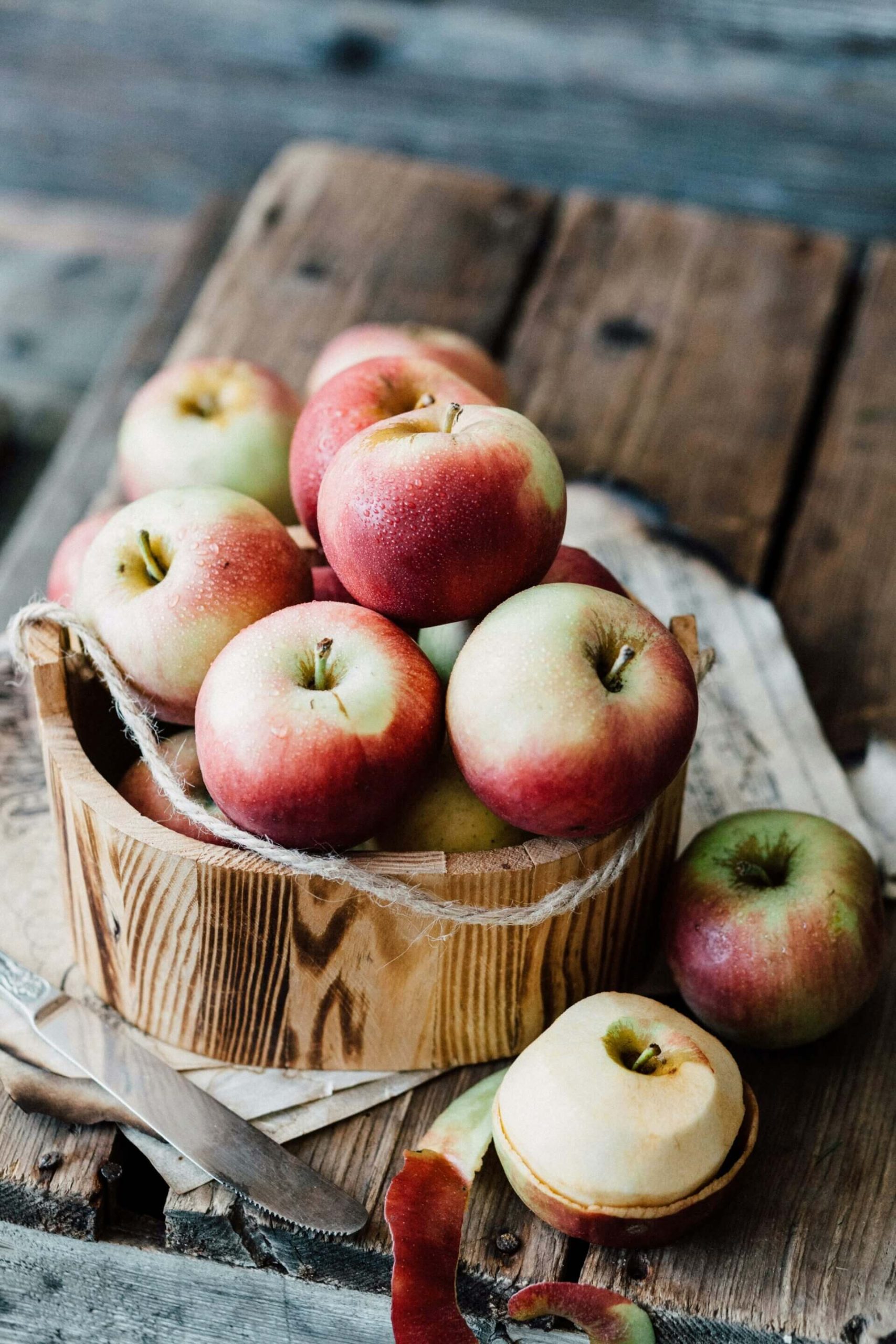
The apple, despite its status as a household staple found in kitchens worldwide, is much more than a regular fruit. High in pectin (a soluble fibre) and polyphenols, it supports liver function and helps maintain major metabolic markers in check.
Studies suggest that regular apple consumption may be associated with lower levels of liver fat and triglycerides, particularly in people who are overweight. Pectin binds to fat and cholesterol in the gut, preventing their absorption, while polyphenols such as quercetin shield liver cells from oxidative damage. Apples may also help control blood sugar by slowing the digestion and absorption of carbohydrates.
Even beyond this liver-friendly link, apples help with satiety and easing the burden of nonalcoholic fatty liver disease, which is a feather in their health cap. With a low glycemic index, they make a savvy choice for individuals with diabetes, while their impact on increasing high-density lipoprotein (HDL) (“good”) cholesterol benefits cardiovascular health.
Eat a whole apple (skin and all, since that’s where most of the polyphenols are) as a snack or light dessert. Bake apples with cinnamon for a healthy treat, or grate apple into carrot and walnut salads. Try to eat one or two apples a day; opt for high-fibre types such as Granny Smith or Fuji. Avoid overly sweet compotes, which leach out micronutrients.
Avocados: Healthy Fats for Your Metabolism
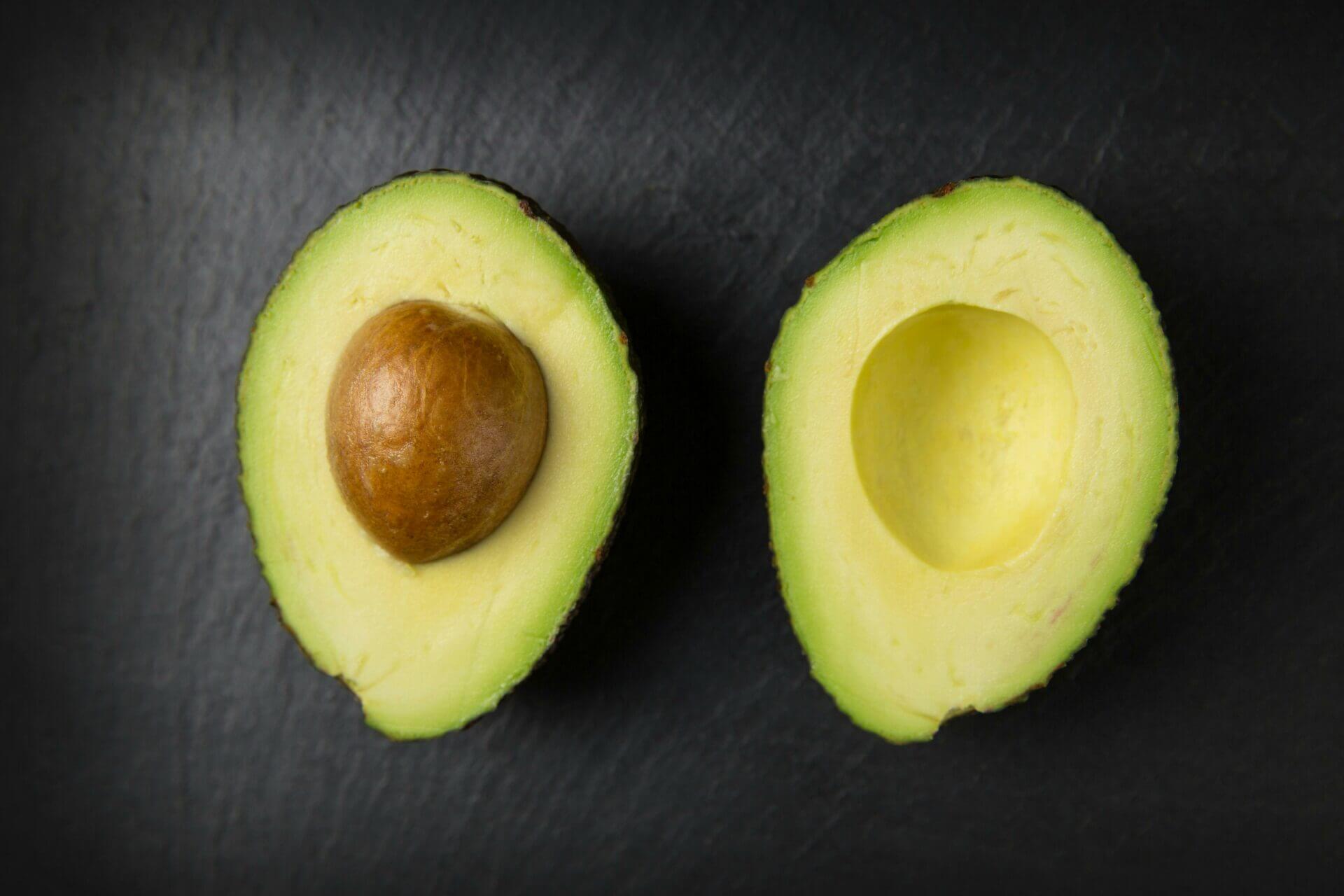
Avocados offer plenty of mono-unsaturated fats, fibre, and vitamin E, making them an important part of any liver-supporting and heart-healthy eating plan.
Studies have shown that daily consumption of avocados can lead to improved liver and metabolic health. For example, research in animal models published by Frontiers in Pharmacology (2022) discovered that supplementation with avocado oil improved mitochondrial function, decreased measures of oxidative stress, and reduced non-alcoholic fatty liver disease (NAFLD). Furthermore, a study published in Diabetes Research and Clinical Practice (2024) noted that avocado consumption increased the body’s insulin sensitivity, leading to more stable blood sugar levels in people with type 2 diabetes. A study in the Journal of the American Heart Association (2025) also showed that eating an avocado a day as part of a moderate-fat diet slightly decreased LDL cholesterol in overweight and obese adults.
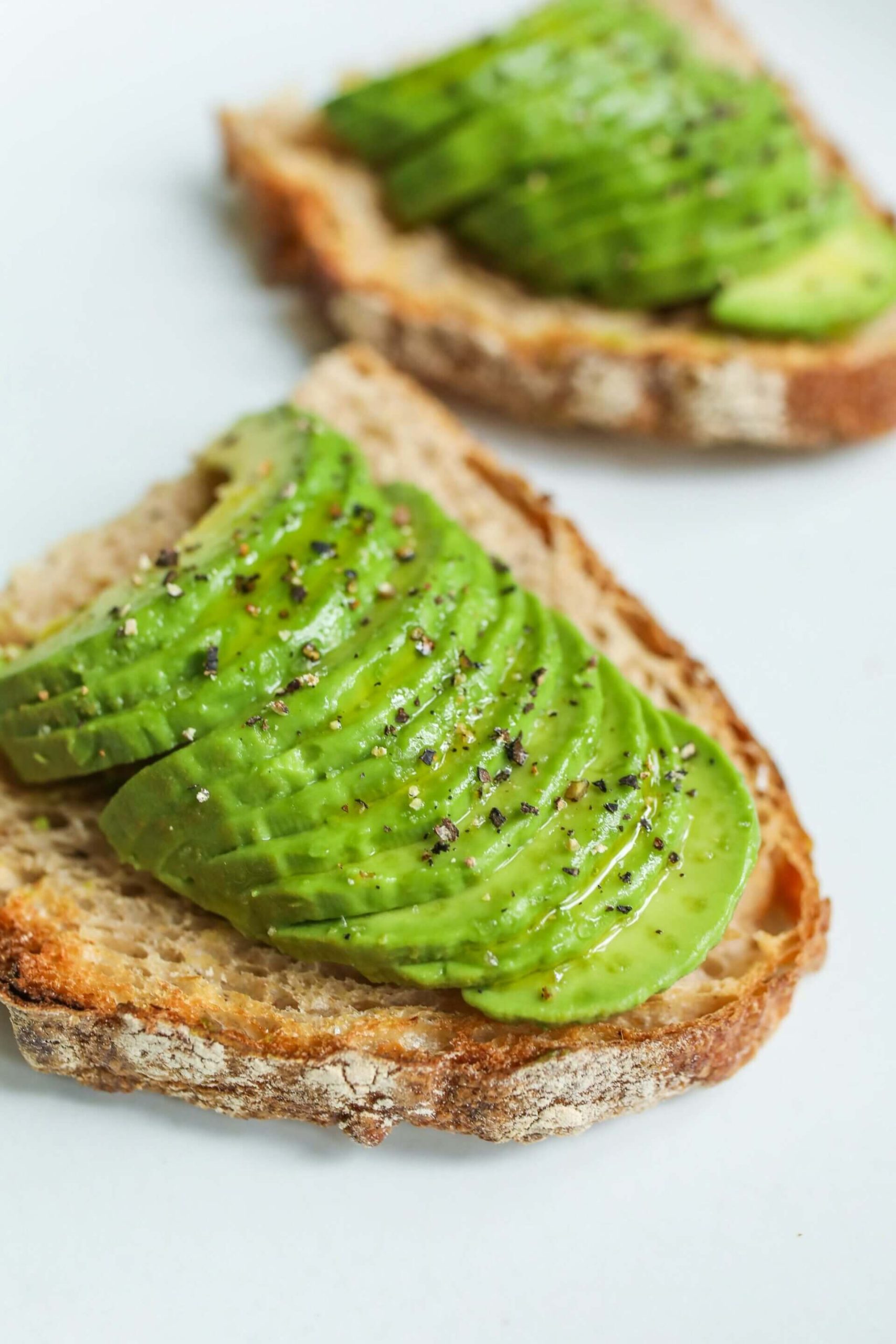
In addition to their macronutrient content, avocados offer other health benefits. They are rich in vitamin E, which provides antioxidant protection to liver cells and may help lower inflammation linked with NAFLD. The fibre in avocados helps keep you full and can contribute to weight management, one of the most important strategies for controlling (and potentially even reversing) NAFLD.
Incorporate ½ of an avocado into your daily routine by layering it on whole-wheat toast with tomato, tossing it into salads with spinach and lemon, or pureeing it into a dip with plain yogurt. Eat ripe avocados (they should be firm but give slightly under pressure) 3–5 times per week. Make sure to moderate portion size, since half an avocado contains around 120 kcal.
Please SHARE this article with your family and friends on Facebook.
Love and Peace
 Watch This:
Watch the video below to see how these science-backed fruits work inside the body, when to eat them, and why doctors recommend them for liver health.
* * *
You’ll Love This One …
The Gut-Brain Connection: Boost Mental Health Through The Gut
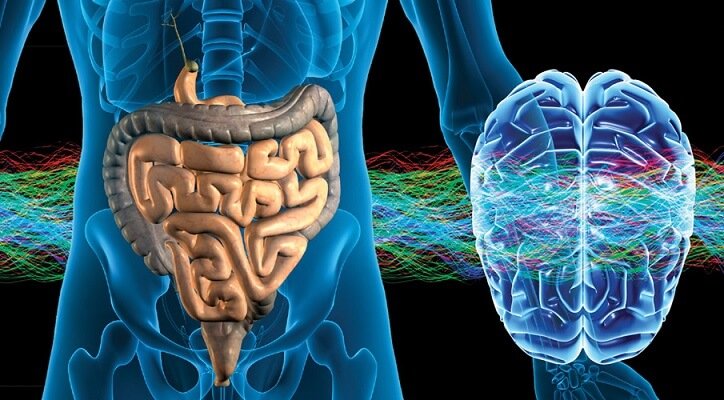
Have you ever thought of improving your mental health through the gut? If not, you should be. Your gut is where digestion begins, but it’s also connected to your brain and at least 70% of your immune system. You simply can’t be healthy if your gut isn’t healthy. The “gut” is a general term that describes the entire digestive system. This includes the esophagus, stomach, pancreas, liver, gallbladder, small intestine, and large intestine (aka the colon).
Your gut is packed with bacteria and home to 2,000 different species that make up the microbiome. The microbiome, also known as gut flora, improves your overall wellness, and new research shows that there’s a solid link to supporting mental health. Plus, the gut is sometimes referred to as the “second brain” because of its ability to communicate with the central nervous system!
* * *
READ NEXT: Healthy Gut, Healthier Aging
Trending Now: 5 Tips To Boost Your Immune System & Your Gut Health
Stay Connected: Follow us on Telegram for the latest shocking discoveries and exclusive stories!
Got thoughts or tips? Drop a comment below — we love hearing from you!
Are you already eating these fruits, or could adding them now help protect your liver before serious damage begins?