
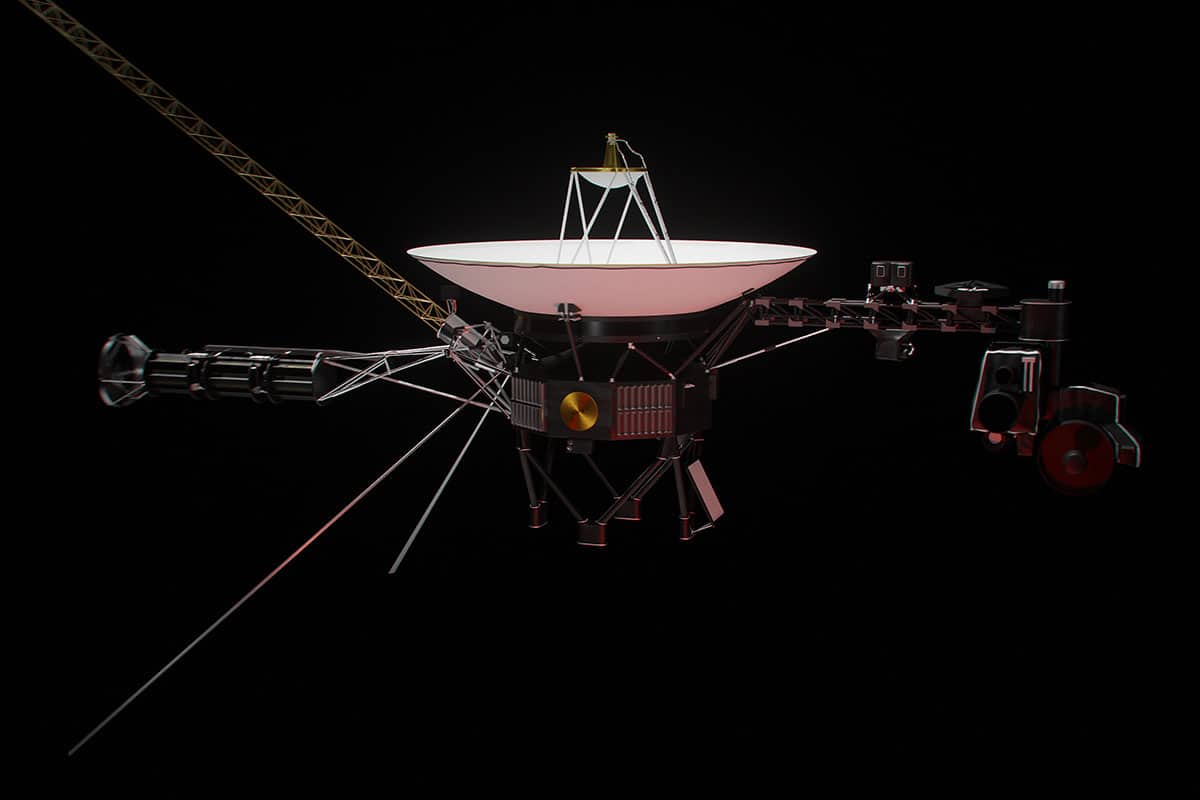
Voyager 1’s New Deep Space Discovery Is Beyond Imagination
Voyager 1 is still detecting strange waves beyond the heliosphere, revealing an unexpectedly dynamic realm as it pushes deeper into interstellar space

For nearly five decades, Voyager 1 has been travelling into darkness.
It has gone farther than anything humanity has ever built.
Now, almost 50 years after launch, it is still sending signals from beyond the Solar System.
And what it is detecting is raising fascinating questions.
Voyager has found waves and changes in the incredibly thin plasma surrounding it.
The space between the stars may be far stranger than scientists once imagined.
The video below explores Voyager’s journey into interstellar space, the strange signals it has detected, and what could still be waiting beyond the edge of the Solar System.
Because Voyager may have travelled farther than any machine before it—but we still do not know exactly what lies ahead.
Voyager Is Hearing Something in the Darkness
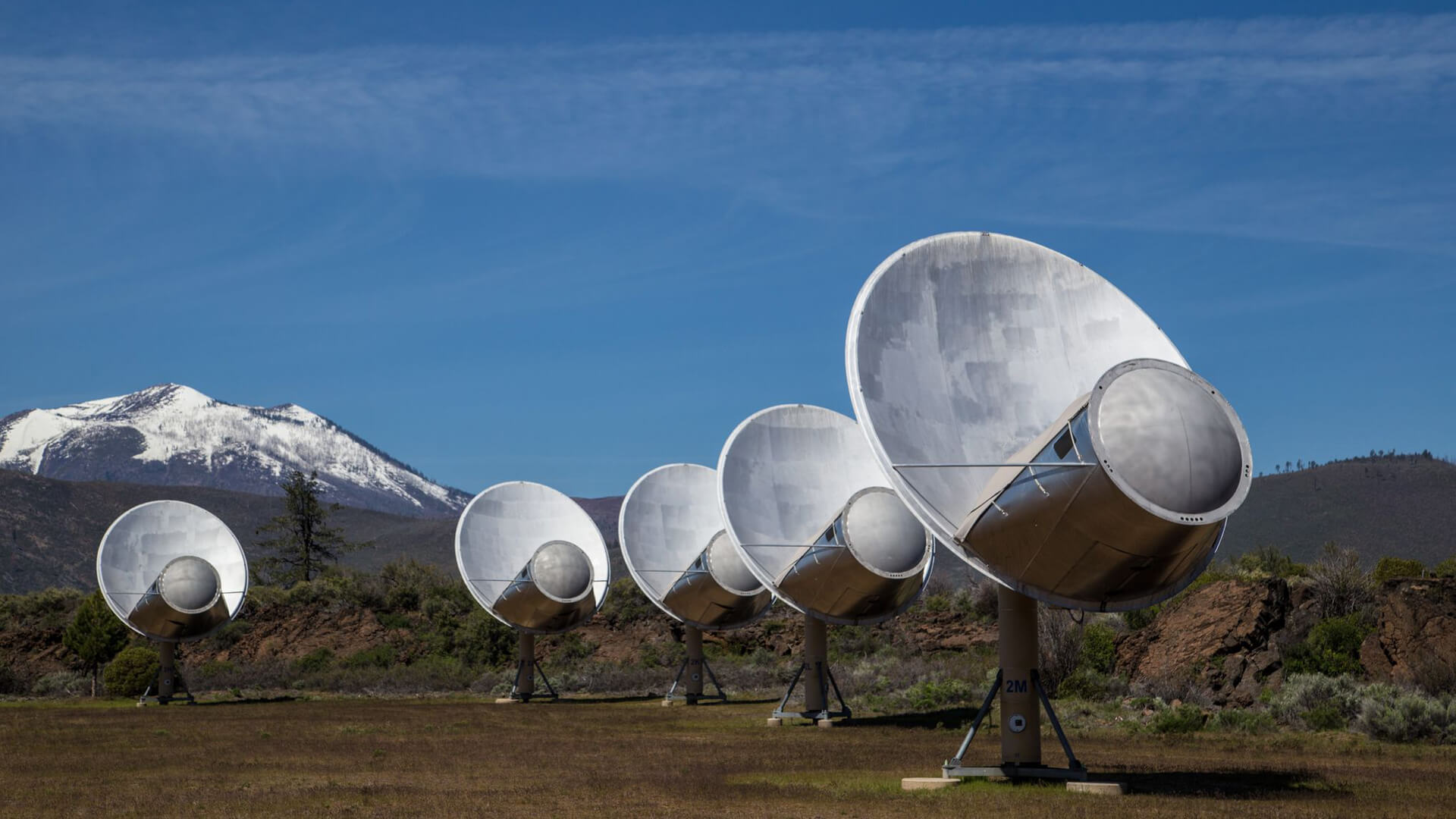
Voyager cannot simply look around and take photographs.
Instead, it listens.
Its instruments detect faint waves moving through the plasma between the stars.
These signals reveal changes in an environment humans have barely begun to explore.
And that environment is anything but empty.
The measurements show waves, disturbances and changes in plasma density.
Something is constantly happening around the spacecraft.
Scientists have explanations for these observations.
But every new measurement also reveals how much remains unknown about interstellar space.
Voyager crossed the heliopause in 2012.
It has been travelling through the unknown ever since.
Could Voyager Be Approaching Something?
This is where the story becomes more mysterious.
There is no confirmed evidence that Voyager has detected alien life or an artificial signal.
Its measurements remain scientific observations.
But what if the space between the stars contains phenomena we have never encountered directly?
Voyager is moving through plasma, magnetic fields and energetic particles.
Disturbances can travel across this enormous region, carrying information from places we cannot reach.
And then there is the question that refuses to disappear.
Could life exist somewhere beyond our Solar System?
If it does, it might look nothing like life on Earth.
Voyager was never designed to find aliens.
But its journey is taking humanity into territory where almost everything remains unfamiliar.
And the farther it travels, the more intriguing the unknown becomes.
Final Verdict: Voyager May Still Surprise Humanity
Voyager 1 is approaching an extraordinary milestone.
On November 18, 2026, NASA expects it to reach approximately 16.1 billion miles, or 25.9 billion kilometres, from Earth.
That is roughly one light-day away.
No human-made object has ever reached that distance.
But Voyager is fighting a losing battle against time.
Its radioactive power source is weakening.
Engineers have already shut down instruments and other systems to keep it alive.
Eventually, even Voyager’s final signal will disappear.
Before that happens, every surviving measurement could reveal something important about the space between the stars.
Perhaps the discoveries will simply improve our understanding of plasma and magnetic fields.
Or perhaps Voyager will encounter something genuinely unexpected.
There is no evidence that an alien signal or unknown civilisation awaits it.
But after nearly five decades, Voyager 1 is still listening.
And somewhere in the darkness, its next transmission could give humanity another glimpse into a region we have barely begun to understand.
 Watch the Video
Could Voyager 1 reveal something unexpected about the space between the stars before its final signal reaches Earth?