
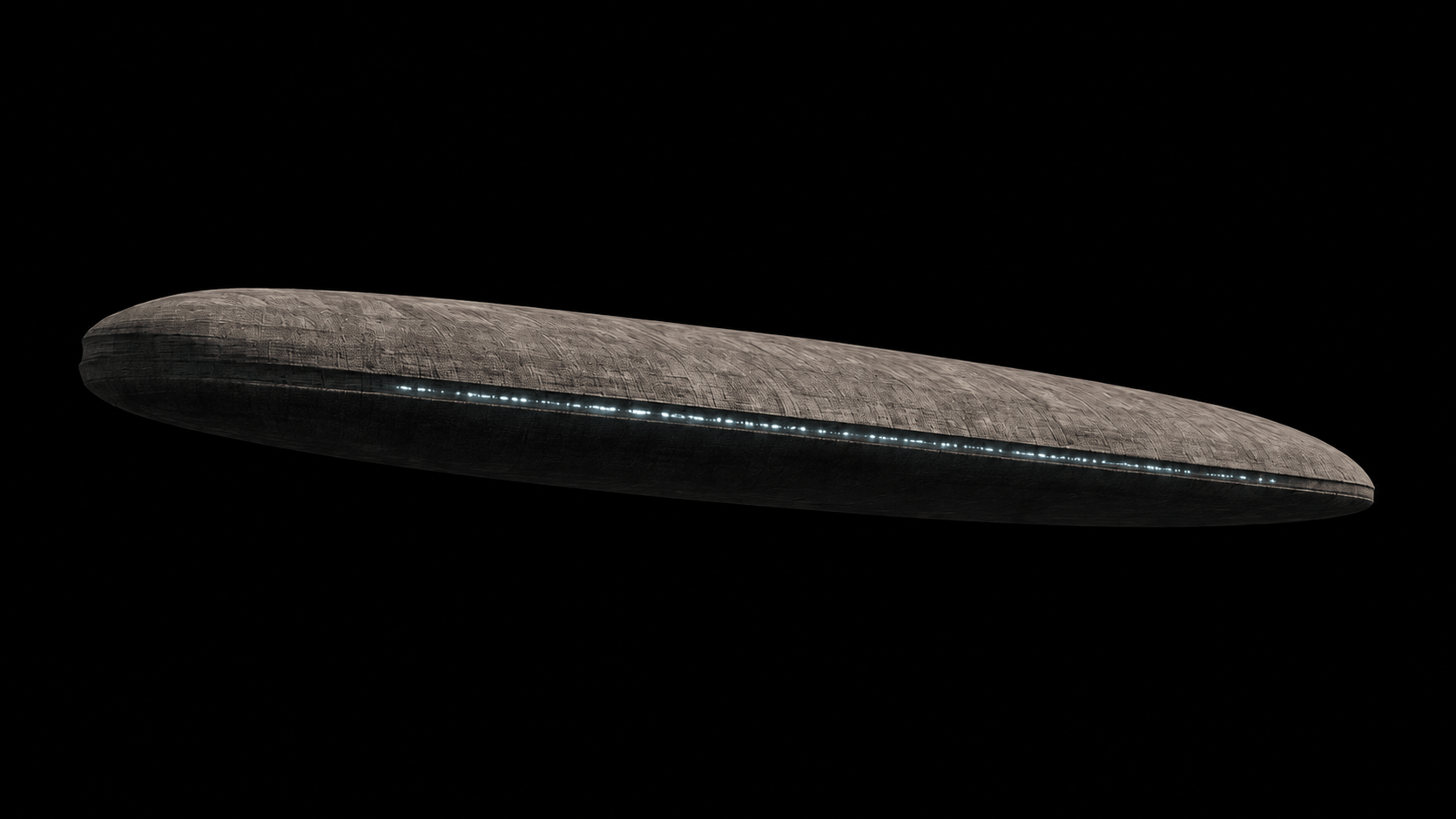
Something Just Switched Off 3I/ATLAS — NASA Has No Answer
Something may have switched off on 3I/ATLAS, but NASA observations suggest changing comet activity—not yet an unexplained anomaly

Something strange has happened to 3I/ATLAS.
But the most important detail is that this interstellar visitor has already passed Earth.
On 19 December 2025, the comet reached its closest point to our planet at roughly 270 million kilometres—far too distant to pose a threat, but close enough to become one of the most closely watched interstellar objects ever observed.
Now, 3I/ATLAS is continuing its journey outward.
That changes the question.
Scientists are no longer waiting to see what happens when it approaches Earth. They are watching what the comet does after passing through our planetary neighbourhood.
NASA has identified 3I/ATLAS as only the third confirmed interstellar object ever observed inside our Solar System.
It came from another stellar system, passed through ours, and is now heading back towards interstellar space.
The story becomes even more fascinating in the video below, where the latest observations and changing behaviour of this extraordinary visitor can be seen in greater detail.
So what exactly happened to 3I/ATLAS—and why has its changing activity attracted so much attention?
The Strange Signal That Changed 3I/ATLAS Forever
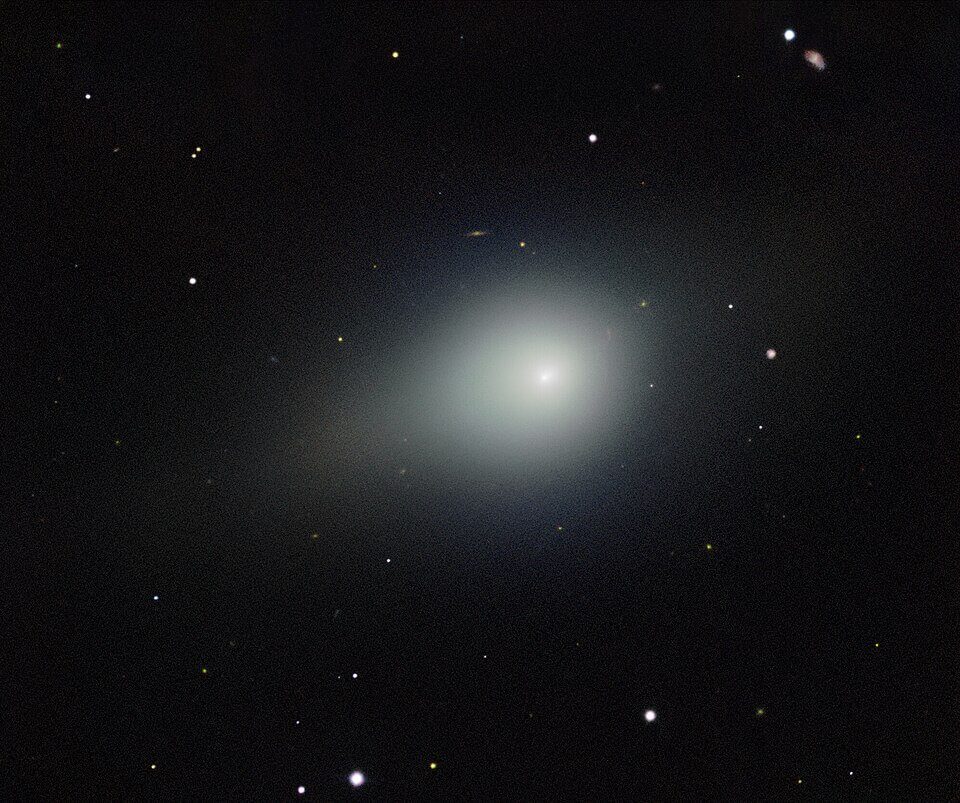
3I/ATLAS did not make a close flyby in the ordinary sense.
What Is Being Hidden beneath the Ocean? Emery Smith Breaks His Silence
At its nearest point, it remained about 1.8 astronomical units from Earth, roughly 270 million kilometres away.
Its closest approach to the Sun had already occurred on 30 October 2025, when it passed about 1.4 astronomical units from the Sun.
Since then, astronomers have continued following the object as it moves outward.
That makes the present stage particularly interesting.
The Interstellar Comet is no longer approaching the inner Solar System. We are now watching it leave.
What Scientists Discovered as 3I/ATLAS Changed
The apparent “switch-off” needs to be understood in the context of normal comet behaviour.
As a comet travels away from the Sun, solar heating decreases. That can reduce the release of gas and dust from its surface.
NASA has reported changing activity in 3I/ATLAS, while observations from multiple spacecraft and telescopes have allowed scientists to monitor the object from different perspectives.
Webb observations also revealed methane, carbon dioxide, water, carbon monoxide, carbonyl sulphide and water ice in its coma.
So the strange part is not that the comet is simply disappearing.
The extraordinary part is that scientists have been able to watch material from another stellar system respond to conditions inside our own.
And now that 3I/ATLAS is heading outward, every observation becomes part of a record that may never be repeated.
Final Verdict: What Is Really Happening to 3I/ATLAS?
The claim that something mysteriously “switched off” 3I/ATLAS goes beyond what the evidence currently establishes.
There is no reliable evidence that the comet suddenly stopped behaving according to known physics.
Its changing activity can be understood in the context of its journey away from the Sun.
But that does not make 3I/ATLAS ordinary.
It is an interstellar visitor that has already crossed our planetary neighbourhood, passed its closest point to Earth, and continued outward towards the darkness beyond the Solar System.
The real mystery is what this object can still reveal before it disappears.
What kind of stellar system produced it?
Why does its chemistry differ from familiar comets?
And what might future observations tell us about the distant environment from which it came?
3I/ATLAS has already passed Earth.
Now humanity gets to watch it leave.
 Watch the Video
Do you think the changing activity of 3I/ATLAS is simply normal comet behaviour—or could future observations reveal something we have not yet understood?