
David Wilcock: What’s Down There Will Destroy Organized Religion
A closer look at David Wilcock and the claims discussed in Cosmic Disclosure involving hidden worlds, ancient civilisations, and classified research narratives.

David Wilcock (1973–2026) was an American author and media personality whose work in UFO research and alternative history reached wide audiences through documentary-style media and independent research communities. Over time, his name became closely associated with unconventional interpretations of human history and scientific understanding.
Throughout his career, he became linked to a broader disclosure-focused movement. Within this space, researchers re-examined archaeology, geology, and scientific data through alternative frameworks. Supporters argued that this approach helped bring attention to anomalies and unexplained patterns that are often left outside mainstream discussion.
His work remained controversial within academic and scientific circles. It combined historical speculation with narratives involving hidden structures, advanced technologies, and unknown forms of intelligence. As a result, it attracted both strong interest and sustained criticism during his lifetime.
This article explores key claims associated with his work, including reported subterranean environments, unusual biological theories, underwater intelligence narratives, and distant cosmic artefacts.
Inside Antarctic Chambers of Giant Beings
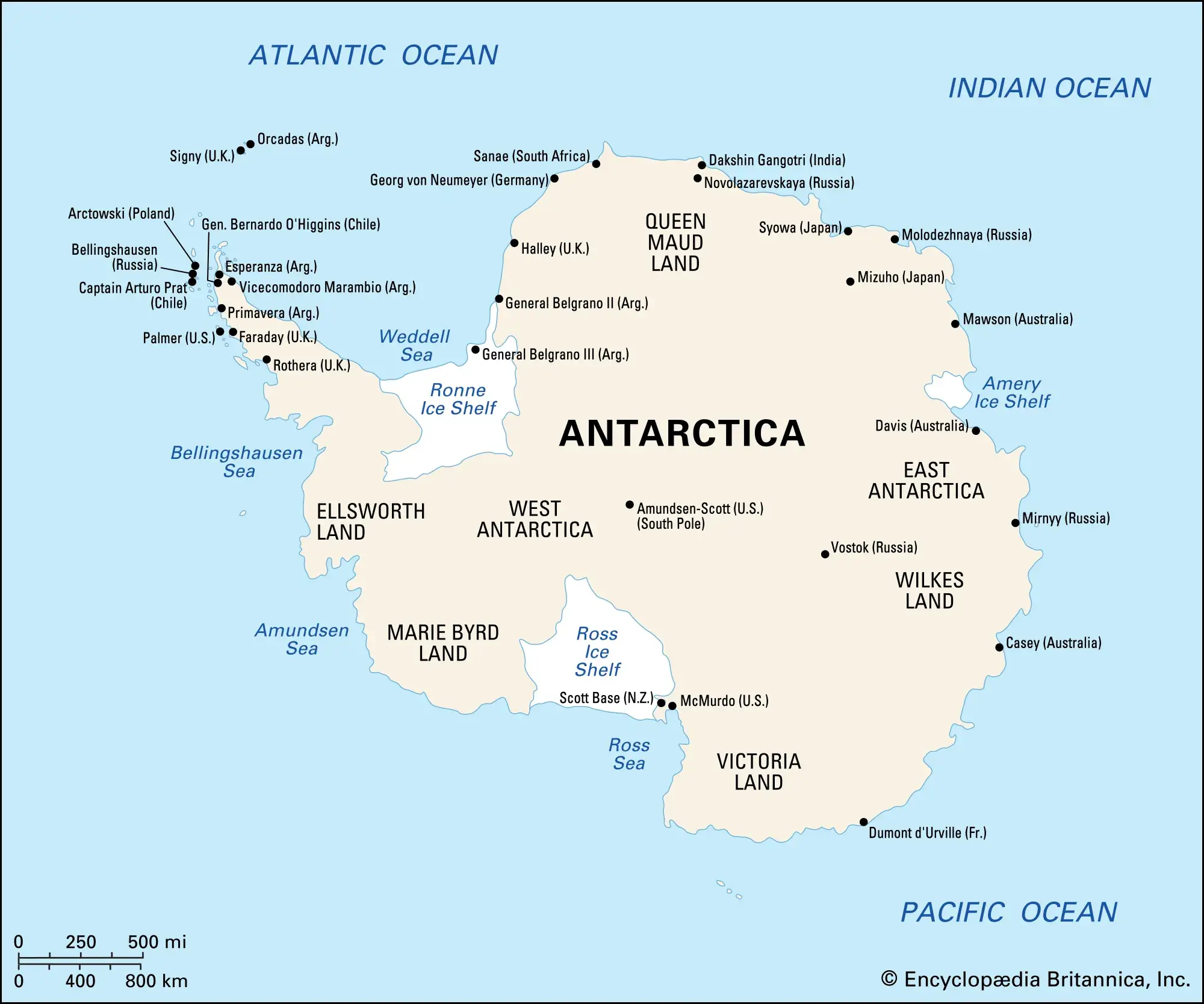
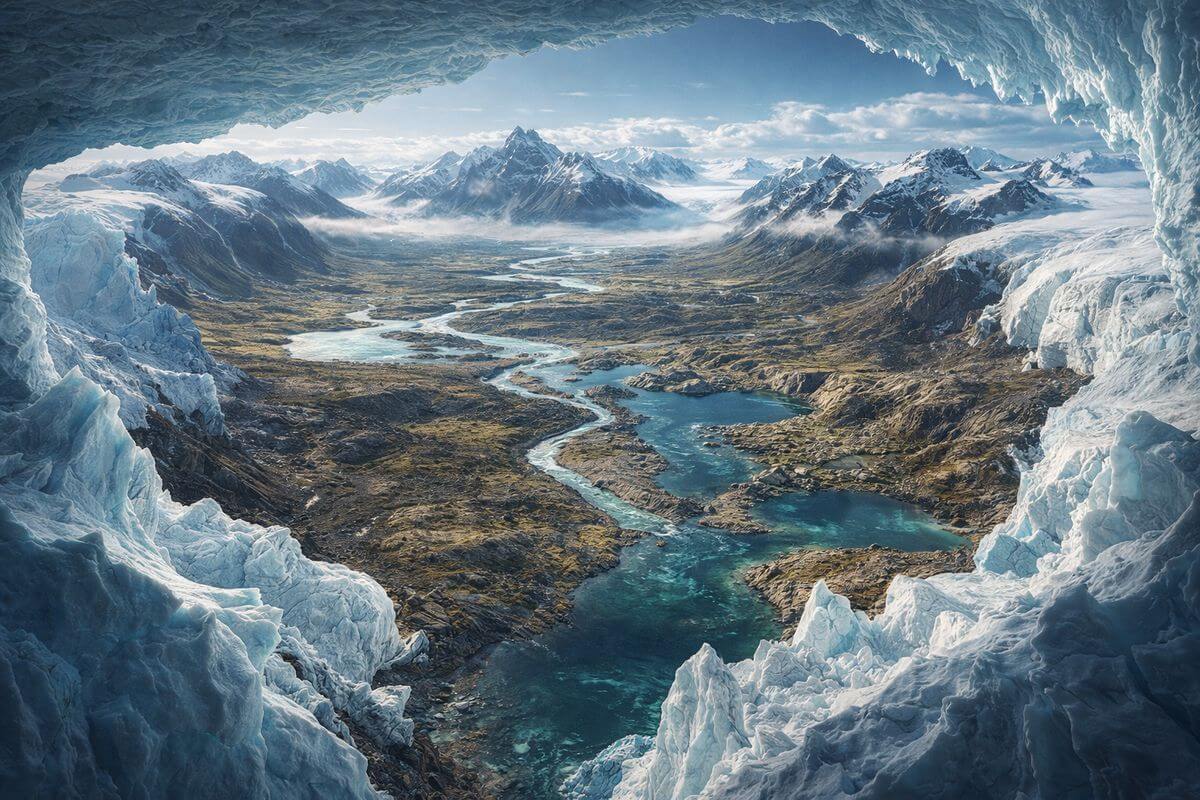
Deep beneath the Antarctic ice sheet, conditions remain among the most extreme on Earth. Kilometres of ice conceal landscapes that are still only partially mapped. Within this environment, some alternative accounts described sealed subsurface chambers hidden beneath the ice.
The UFO We Hit Was Leaking Smoke… Then Something Crawled Out — Billy Carson
In these narratives, references occasionally appeared to unusually large humanoid forms, sometimes described as “giant beings.” These claims circulated within independent compilations and oral-style testimonies rather than verified excavation reports. Nevertheless, they continued to appear in fringe research discussions.
Scientific exploration of Antarctica relies on remote sensing, ice-penetrating radar, and satellite observation. While large areas beneath the ice remain difficult to access directly, no verified archaeological evidence has supported the existence of such chambers or entities.
Secrets Beneath the Nazca Tunnel Systems
The Nazca region of southern Peru is internationally known for its vast geoglyphs etched into the desert surface. These formations have been extensively studied and documented by archaeologists. However, alternative narratives extended the mystery beneath the ground itself.
Some accounts described extensive tunnel systems and sealed underground chambers beneath the Nazca landscape. These interpretations were typically based on fragmented testimonies and speculative reconstructions rather than formal excavation findings.
Archaeological research identified natural formations and limited human-made structures in the region. However, there has been no confirmed evidence of large-scale sealed tunnel networks beneath Nazca beyond established archaeological records.
Lost Megastructures Beneath North America
In alternative historical frameworks, attention often turned to the possibility of large subterranean structures beneath North America. These alleged formations were sometimes described as vast engineered systems comparable to monumental surface architecture.
Supporters of these ideas argued that subsurface mapping technologies may not have revealed the full complexity of what lay beneath the continental crust. They suggested that anomalies detected underground could indicate structured or engineered origins.
Geological science explains most subsurface formations through tectonic movement, sedimentation, and long-term mineral processes. At present, no verified archaeological evidence has supported the existence of artificial megastructures beneath North America.
Classified Reports of Hybrid Biological Experiments
Within broader disclosure-related narratives, some accounts shifted from geological claims to biological ones. These narratives described experimental programmes involving hybridised biological forms derived from alleged insider testimonies.
Descriptions varied widely, but they often referenced attempts to combine or alter biological traits beyond conventional genetic research frameworks. Within these accounts, such programmes were frequently portrayed as highly classified and inaccessible to public scrutiny.
No verified scientific documentation supports these claims, and they remain outside accepted biological research. As such, they are regarded as speculative narratives rather than established evidence.
Unexplained Intelligence in Ocean Depths
The oceans cover more than seventy percent of Earth’s surface, yet much of their depth remains largely unexplored. In alternative narratives, this vast unknown environment has sometimes been linked to theories of non-human intelligence operating beneath the ocean floor.
Some accounts describe submerged structures or installations located in extreme deep-sea environments. These interpretations often emerge from the broader recognition that ocean exploration remains incomplete at a global scale.
Marine science continues to expand understanding of deep-sea ecosystems, revealing new species and geological formations. However, there is no confirmed evidence of structured non-human civilisations in oceanic depths.
The Hollow Asteroid Ancient Artefact Theory
Among more speculative cosmological interpretations was the idea that certain celestial bodies may contain internal structures not explained by conventional models. One such narrative described a hollow asteroid-like object, sometimes referred to as an “egg,” associated in fringe discussions with ancient artefact theories.
These ideas combined astronomical curiosity with symbolic and mythological interpretations, suggesting that space may contain objects whose origins were not yet fully understood. Within these narratives, such objects were sometimes linked to broader questions about ancient external influence on Earth.
Modern astronomy explains asteroids as natural bodies formed through accretion, collision, and fragmentation in the early solar system. No observational evidence supports the existence of artificial structures within known asteroid populations.
A Lost Civilisation beneath the Sahara Desert
The Sahara Desert, now one of the most extreme environments on Earth, is also the subject of narratives suggesting buried layers of civilisation beneath its sands. Some accounts describe structural remains located at varying depths underground.
These interpretations are often linked to the idea that ancient climatic shifts and environmental changes may have concealed earlier human or pre-human settlements over long geological periods. In this view, desertification acts as a natural process of historical concealment.
Archaeological research across North Africa has uncovered extensive evidence of ancient human settlement and cultural development. However, no verified discoveries support the existence of a large, unknown civilisation buried beneath the Sahara.
Final Thoughts
Across these narratives, a consistent pattern emerged: a sustained human fascination with what lay beyond established knowledge. These stories spanned polar ice sheets, desert landscapes, ocean depths, and cosmic space, reflecting enduring curiosity about hidden layers of history and existence.
While scientific research continued to map and verify the physical world through empirical methods, alternative narratives persisted in exploring areas where evidence remained incomplete. It was within these gaps that interpretation, imagination, and speculation continued to intersect.
 Watch This:
What makes alternative narratives about hidden civilizations and unexplained phenomena continue to attract attention, even when they remain unverified by mainstream science?