

Why Scottish DNA Is The STRANGEST In The World? From Ice Age To Empire!
Scottish DNA reveals ancient migrations, clan isolation, and surprising global links shaped over thousands of years.

Scottish DNA carries one of the most layered genetic stories in the world, shaped over tens of thousands of years. From the first Ice Age settlers to later waves of migrants and invaders, Scotland became a crossroads where ancient lineages merged and evolved. Yet despite these influences, parts of the population remained remarkably isolated, preserving rare genetic signatures.
The earliest inhabitants of Scotland were Mesolithic hunter-gatherers who arrived as glaciers retreated. Their DNA still lingers in modern populations, especially in remote regions. These early groups adapted to harsh climates and rugged terrain, laying the foundation for a genetic identity rooted in resilience.
As new peoples arrived during the Neolithic and Bronze Ages, they introduced farming, new technologies, and distinct genetic traits. These migrations did not erase earlier ancestry but blended with it, creating a complex genetic mosaic that continues to define Scotland today.
What makes Scottish DNA especially unique is how geography shaped it. Mountains, islands, and isolated glens limited movement and intermarriage, allowing certain traits to persist for centuries. This isolation, combined with repeated migration, created one of the most distinctive genetic profiles in Europe.
Ice Age Origins and the First Scots
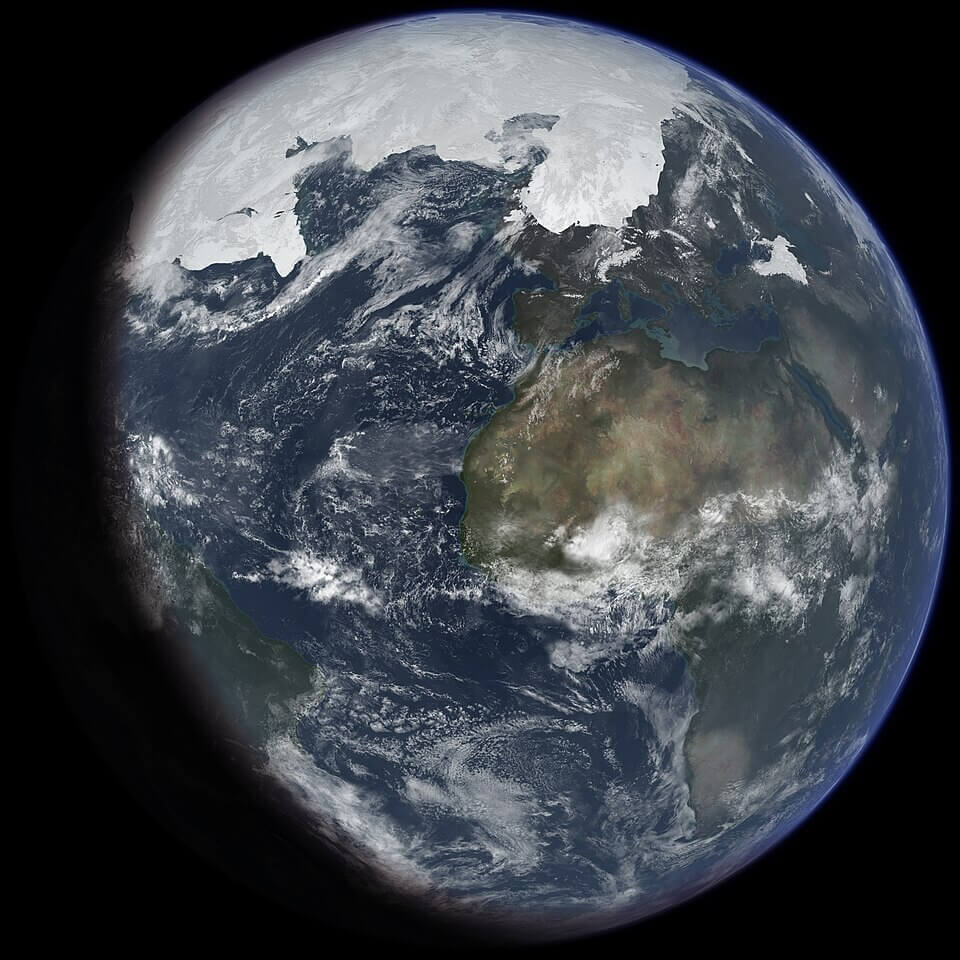
The story begins at the end of the last Ice Age, when small groups of hunter-gatherers moved north into what is now Scotland. They followed retreating glaciers, settling along coasts and rivers where resources were more reliable. Their DNA forms the deepest layer of Scottish ancestry.
12,000 Year Old Massive Underground Tunnels Are Real And Stretch From Scotland To Turkey
These early populations were closely related to other Western European hunter-gatherers, but over time they developed distinct traits due to prolonged isolation. Harsh conditions and limited contact with outside groups shaped their genetic evolution.
Modern research shows that traces of this ancient ancestry still exist today, particularly in northern and rural areas. This continuity makes Scotland one of the few regions where Ice Age lineage remains clearly visible.
Neolithic Farmers and Genetic Transformation
Around 6,000 years ago, farming communities arrived from continental Europe, bringing a major genetic shift. These Neolithic settlers introduced agriculture, permanent settlements, and new cultural practices that transformed daily life.
Genetically, they differed from the earlier hunter-gatherers, yet rather than replacing them, they intermarried and formed a blended population. This process increased diversity while preserving older genetic layers.
This era marked the beginning of Scotland’s complex genetic identity. The fusion of incoming and existing ancestry created patterns that are still detectable in modern genetic studies.
The Mystery of the Picts
The Picts remain one of Scotland’s most enigmatic groups, and their genetic legacy adds another layer of intrigue. Once believed to be entirely separate, modern evidence suggests they were closely related to earlier Celtic populations.
They likely maintained strong regional identities, which may explain subtle genetic variation across different parts of Scotland. Isolation in certain مناطق helped preserve localized traits.
Recent findings point to continuity rather than disappearance. Instead of vanishing, Pictish ancestry became integrated into the broader population, contributing to Scotland’s genetic depth.
Viking Influence and Norse DNA
Between the 8th and 11th centuries, Norse settlers left a lasting imprint on Scotland’s genetic landscape. Coastal regions and islands, particularly in the north and west, still show strong Scandinavian ancestry.
These Vikings were not only raiders but also settlers who established communities and intermarried with locals. This introduced new genetic markers that remain visible today.
The Norse contribution adds a distinct layer to Scotland’s profile, creating a unique blend of Celtic and Scandinavian ancestry within relatively small geographic areas.
Clan Isolation and Genetic Preservation
Scottish clans played a significant role in shaping genetic patterns over centuries. Communities were often tightly connected, with marriages occurring within the same group or region.
Isolation in the Highlands and islands intensified this effect. Limited movement allowed certain traits to become more concentrated while others remained rare.
Today, genetic research can sometimes link individuals to specific regions or even clans. This level of detail highlights how social structures influenced genetic continuity.
Geographic Barriers and Genetic Diversity
Scotland’s rugged terrain acted as a natural barrier, limiting movement and interaction between populations. Mountains, lochs, and islands created pockets of isolation where distinct traits could develop.
Even short distances sometimes led to noticeable genetic differences. Groups separated by geography often evolved independently over long periods.
This fragmentation explains why Scottish DNA appears so varied. Rather than uniform, it reflects a mosaic shaped by landscape and time.
Surprising Global Connections
Modern studies have uncovered unexpected genetic links between Scotland and distant regions. Some lineages show faint connections to areas as far as North Africa and Siberia.
These links likely stem from ancient migration routes that spread populations across Eurasia. Over thousands of years, small traces of these movements remained embedded in the genome.
While subtle, these connections highlight the broader human story. Scotland’s genetic history is part of a much larger network of global ancestry.
Modern DNA Research and Discoveries
Advances in genetic science have revealed the true complexity of Scotland’s population history. Researchers can now trace ancestry with far greater accuracy than ever before.
Large-scale studies show strong regional variation, supporting the idea of long-term isolation combined with repeated migration. No single origin defines the population.
As research continues, new insights are constantly emerging. Each discovery adds depth to the understanding of how Scotland’s genetic identity formed.
Why Scottish DNA Stands Out
Scottish DNA stands out because it combines deep ancient roots, multiple migration waves, and long periods of isolation. Few regions display this combination so clearly.
The result is a genetic profile that is both diverse and highly localized. It reflects thousands of years of adaptation and continuity.
Rather than being unusual in a simple sense, it represents a detailed record of human movement and survival. Its uniqueness lies in the many stories preserved within it.
Conclusion
Scottish DNA reflects layers of history stretching back to the Ice Age, with each migration adding complexity rather than replacing what came before.
Geography and social structures helped preserve this diversity, allowing ancient traits to survive alongside newer influences.
Today, Scotland offers one of the clearest examples of how genetics can capture both global connections and strong local identity.
 Watch This:
If Scottish DNA contains traces from so many ancient migrations, could future discoveries reveal even deeper connections to unknown or lost populations?