


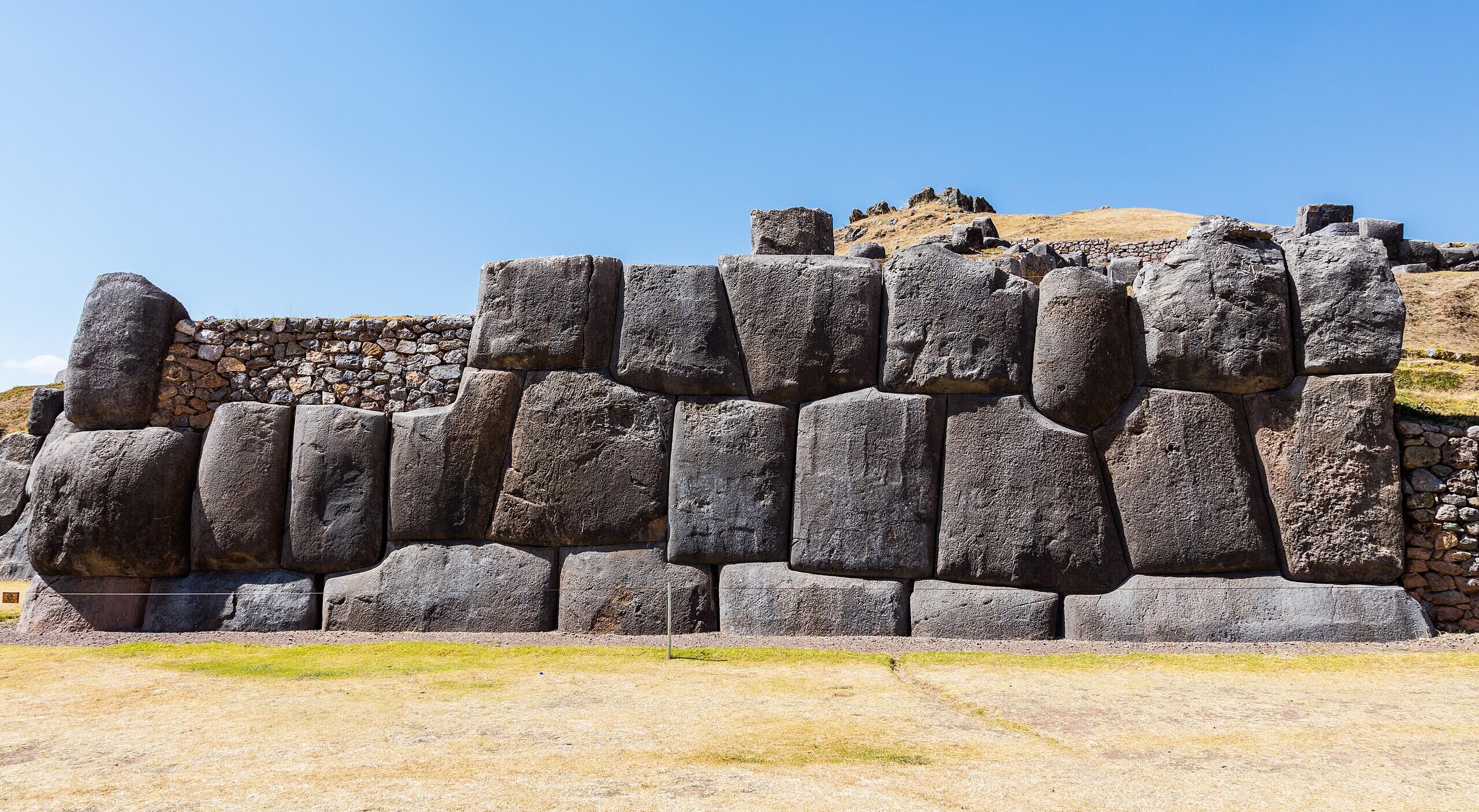
In the heart of Cusco, Peru, enormous stone walls rise with a level of precision that continues to unsettle archaeologists, engineers, and historians alike. Built from multi-ton blocks shaped into complex polygonal forms, these structures remain tightly interlocked without mortar, defying gravity, erosion, and centuries of seismic activity. Far from decorative, the walls represent one of the most advanced examples of megalithic architecture ever documented.
For decades, mainstream explanations claimed the Inca civilization achieved this work using hammer stones, wooden wedges, and brute labour. Yet these assumptions increasingly conflict with measurable data. Recent archaeological discoveries, especially high-resolution 3D laser scans, have exposed tolerances so fine they rival modern industrial stone cutting, raising serious doubts about traditional narratives of pre Columbian history.
The andesite blocks used in Cusco are exceptionally hard, often compared to modern steel in compressive strength. Experimental archaeology has repeatedly failed to replicate the joints, angles, and internal surfaces using known ancient construction methods. This growing gap between theory and evidence has placed Cusco among the most compelling unexplained structures in the ancient world.
As new technology continues to probe these walls, what emerges is not a solved puzzle, but a deeper mystery. Each dataset challenges long-held beliefs about ancient capabilities and forces a reassessment of what ancient South America may have achieved long before recorded history.
Seismic Engineering Beyond Its Time

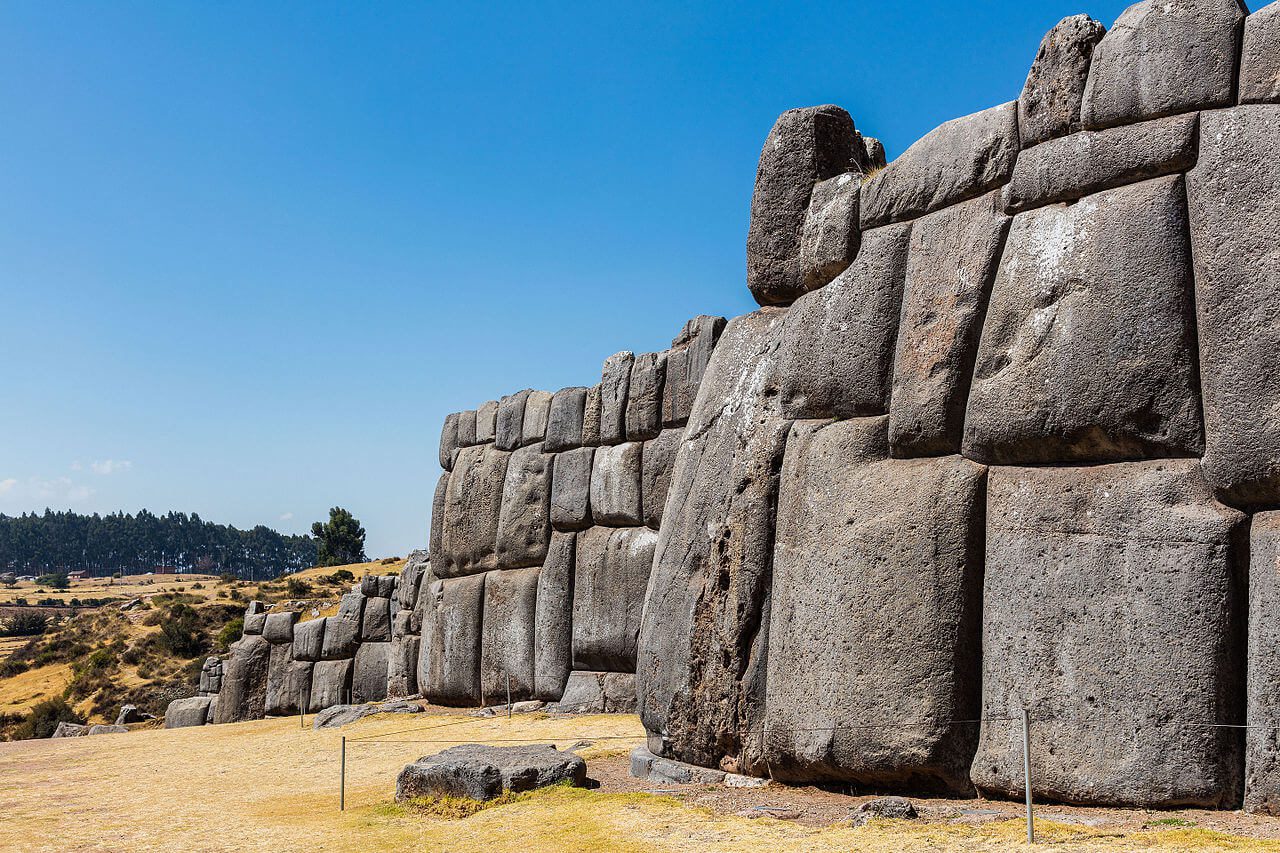
Cusco sits in one of the most earthquake-active regions of the Andes, yet its stone walls routinely survive quakes that destroy modern concrete buildings. Structural analysis shows the polygonal blocks were deliberately shaped to distribute stress across multiple contact points, a principle central to advanced seismic engineering.
NEW 3D Scans Finally Reveal How Puma Punku’s H-Blocks Were Made
Rather than rigid alignment, the stones allow controlled micro-movement. During earthquakes, blocks shift slightly and then settle back into place, dissipating energy without cracking. This reflects ancient engineering secrets still studied by modern structural engineers.
Computer simulations demonstrate that these walls outperform rectangular masonry under seismic load. Such results strongly suggest intentional design rather than accidental success.
This level of performance places Cusco firmly within discussions of advanced ancient civilizations, not primitive construction traditions.
Stone Cutting That Defies Bronze Age Limits
Microscopic surface analysis reveals polished joints, internal curves, and negative angles inaccessible to simple pounding tools. The near-total absence of chisel marks on load-bearing surfaces directly challenges accepted explanations of ancient stone cutting.
Some joints display concave-convex fitting accurate to fractions of a millimetre, a hallmark of high-precision stonework. Even modern diamond tooling struggles to achieve comparable results on andesite without leaving mechanical signatures.
These findings have reignited debate over unknown ancient knowledge, including lost abrasives, vibration techniques, or material-softening methods absent from the archaeological record.
As a result, Cusco has become central to broader discussions of lost ancient technology across multiple disciplines.
Three Distinct Precision Phases
Comprehensive laser scanning has identified three measurable levels of construction precision within the same wall systems. Lower courses show exceptional craftsmanship, upper courses refined alignment, while foundational blocks exhibit extreme tolerances unmatched elsewhere.
The most precise stones often belong to the oldest structural layers, contradicting the assumption of gradual technological improvement. This inversion has drawn attention from researchers exploring forbidden archaeology and non-linear development models.
What the scans reveal is startling:
- Sub-millimetre joint tolerances confirmed by laser data
- Stress-optimized polygonal geometries
- No tool marks on internal contact surfaces
These findings directly challenge the idea that Inca technology represents the peak rather than the survival of earlier expertise.
Reassessing Inca Origins
While the Inca were master organizers and builders, mounting evidence suggests they may have inherited construction techniques from earlier ancient builders. Similar masonry appears at sites predating the Inca by centuries across ancient South America.
Cultural continuity rather than sudden innovation may explain the appearance of such advanced methods. This perspective reshapes interpretations of pre Columbian history and weakens linear models of technological progress.
Rather than inventing these techniques, the Inca may have preserved and adapted them, maintaining fragments of a much older engineering tradition.
In this light, Cusco becomes less a beginning and more a remnant of something lost.
Why Consensus Remains Elusive

Despite growing empirical evidence, consensus remains resistant. Many unexplained structures challenge academic frameworks tied to established timelines.
Funding constraints, peer-review conservatism, and institutional inertia often limit exploration into alternative explanations involving lost ancient technology.
Yet ongoing archaeological discoveries continue to narrow the gap between speculation and measurable fact.
Cusco stands as a reminder that evidence can advance faster than interpretation.
Conclusion
The impossible walls of Cusco are no longer just architectural wonders; they represent a scientific challenge to conventional archaeology and ancient engineering assumptions.
As analytical tools evolve, these structures may force a fundamental reassessment of what ancient civilizations were capable of achieving.


