


An epic retelling of early sacred traditions describes a pre-Flood period in which celestial beings and humanity are depicted in later interpretive religious literature linked to ancient flood narratives across Ancient Near Eastern sources.
Across apocryphal and pseudepigraphal writings, references appear to Watchers and Nephilim. These terms occur in limited ancient Hebrew texts and are expanded in later traditions, but they are not part of most canonical biblical collections today.
Scholarly consensus treats these accounts as mythological or theological literature rather than historical record. They are interpreted as symbolic narratives addressing moral order, corruption, and divine judgement in early religious thought systems.
In these traditions, the narrative framework describes a shift from order to disorder, culminating in the flood motif. This theme appears across multiple Ancient Near Eastern cultures, suggesting shared symbolic structures rather than historical reporting.
The Watchers in Early Jewish and Apocryphal Literature


Watchers appear most clearly in the Book of Enoch, a Second Temple period text outside the Hebrew Bible canon. They are described as celestial figures assigned to observe human activity within a structured divine order.
The Hidden Truth About Noah’s Flood From The Bible (We Were Lied!)
In these narratives, the Watchers deviate from their assigned role and interact with humans. Scholars interpret this as a symbolic expression of transgression, where forbidden knowledge and moral boundaries are crossed.
Academic study places these accounts within broader ancient literary traditions explaining corruption, divine judgement, and the disruption of moral order in early religious thought.
The Nephilim in Ancient Near Eastern Texts
The Nephilim are briefly mentioned in Genesis and expanded in later Jewish interpretive literature. Their description remains unclear, and the Hebrew text does not provide detailed characteristics.
Scholars generally interpret the Nephilim as mythological or legendary figures. Some comparisons link them to Ancient Near Eastern giant or heroic traditions, but no archaeological evidence supports their existence.
Discussion of these giants remains within textual and comparative literary analysis rather than historical reconstruction.
Interpretations of Pre-Flood Narrative Traditions
The pre-Flood framework is widely analysed as mythological rather than historical. These texts reflect early attempts to explain cosmology, moral order, and human origins through religious storytelling traditions.
Comparable flood narratives appear in Mesopotamian literature, including the Epic of Gilgamesh, suggesting shared cultural motifs across the Ancient Near East.
Modern scholarship views these narratives as theological constructions shaped by evolving religious traditions rather than factual history.
The Flood Motif in Ancient Near Eastern Context
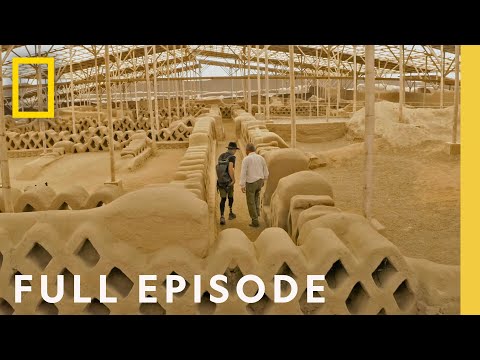
Flood narratives appear across multiple Ancient Near Eastern cultures, with versions in Mesopotamian and surrounding texts predating or paralleling Genesis.
Academic analysis treats the flood motif as a symbolic expression of divine judgement, renewal, and human fragility rather than a single historical event.
Its widespread presence indicates shared narrative frameworks used to express moral and cosmological ideas.
Scholarly Perspectives on Myth and Theology
Modern academic approaches distinguish theological interpretation from historical reconstruction when analysing these texts. The Watchers and Nephilim are studied as mythological constructs within religious literature.
Researchers focus on how these narratives reflect ancient ideas of divine authority, moral boundaries, and cosmic order.
These texts are treated as cultural products shaped by evolving theological systems rather than empirical history.
Cultural Significance of Angelic and Giant Traditions
Watchers and Nephilim traditions have influenced later religious interpretation, literature, and cultural imagination across centuries.
They reflect enduring human interest in origins, morality, and the relationship between divine authority and humanity.
Academic study focuses on their cultural impact and interpretive history within mythological systems.
Final Thoughts
The Watchers and Nephilim traditions form part of a wider ancient literary corpus concerned with divine judgement and human behaviour. They are best understood in historical and cultural context.
While the accounts hold theological significance in some traditions, academic consensus treats them as mythological narratives rather than historical records.
They remain important for understanding how ancient societies constructed cosmology, morality, and divine authority.


