

The Sumerian Kings List: When Gods Ruled Earth For 241,200 Years
An ancient record whispers of a time when beings beyond human limits ruled the Earth, their reigns stretching across ages erased from memory.

Long before written history settles into certainty, an ancient silence opens beneath our feet, whispering of a world ruled not by humans but by something far older and far stranger. Hidden in clay and stone, records from ancient Mesopotamia describe rulers whose lifespans defy biology and logic, hinting at a lost chapter of human origins that was never meant to survive. The deeper scholars dig into these ancient Sumerian texts, the more unsettling the question becomes: what if early civilization did not begin with us at all?
The Enigma of the Sumerian Kings List
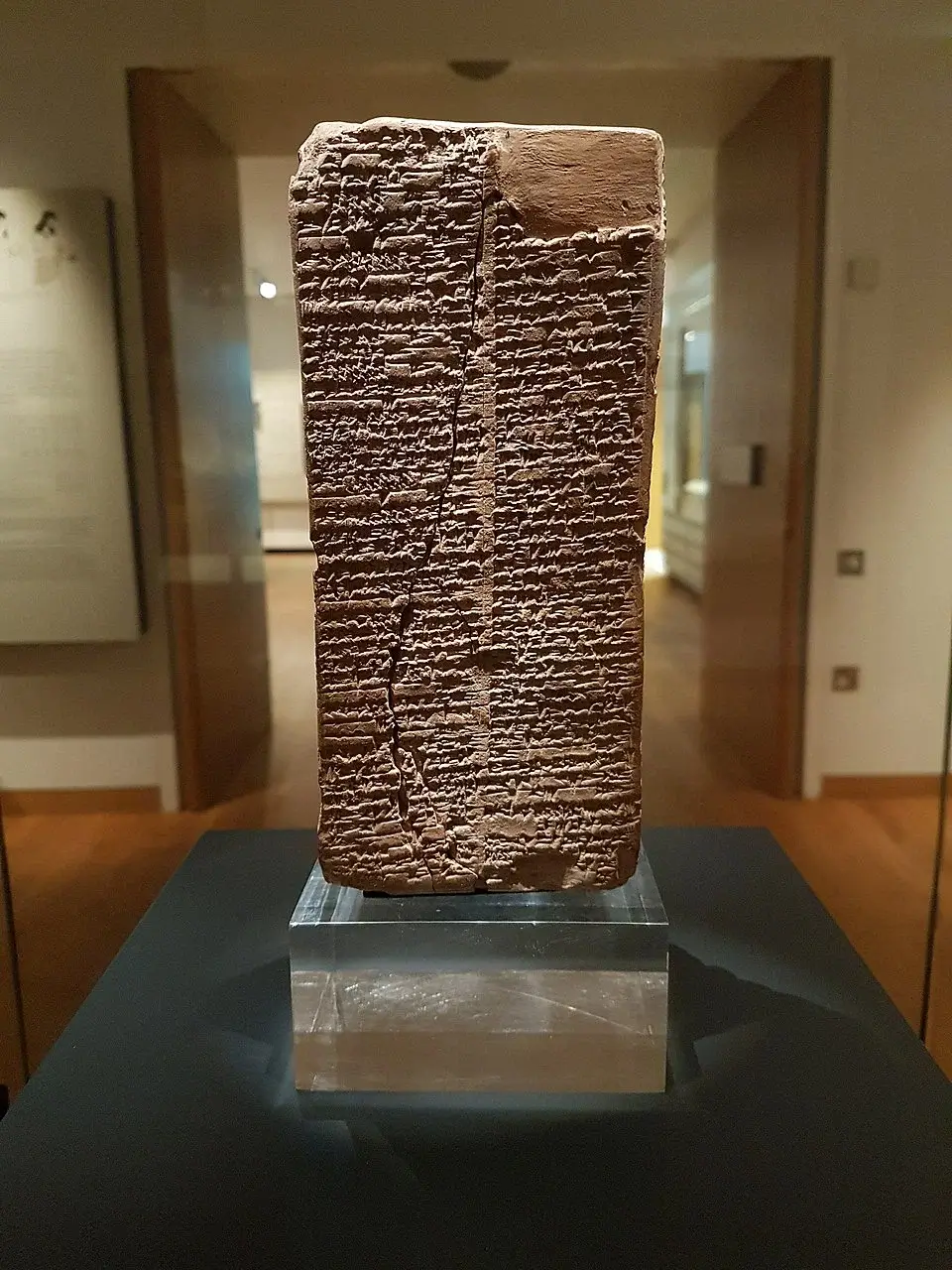
The Sumerian Kings List stands as one of the most perplexing ancient texts ever discovered. It describes a line of rulers governing before the Great Flood myth, with reigns lasting tens of thousands of years. According to the list, these kings did not simply rule cities; they shaped an entire pre flood civilization that vanished almost overnight.
What makes the mystery deeper is the precision of the record. Names, reign lengths, and succession orders appear deliberate, not poetic. Ancient chronology mystery surrounds why such impossible lifespans were recorded with such confidence, especially in a culture otherwise grounded in administration and trade.
Because of this, many researchers argue the list cannot be dismissed as pure myth. Instead, it may represent a form of hidden ancient records that preserve distorted memories of an earlier age when ancient gods on Earth were believed to rule openly.
Antediluvian Kings and Impossible Reigns
At the top of the list appear antediluvian kings like Alulim and Alalgar, whose reigns stretch beyond human comprehension. Alulim King is said to have ruled for 28,800 years, while the Alalgar reign lasted 36,000 years. Together, these figures push the limits of myth vs history.
Such numbers raise serious questions about origins of civilization itself. Were these reigns symbolic measurements of dynasties, or do they describe beings who were not fully human? Some theories suggest these divine rulers possessed knowledge or biology unknown today.
Adding to the intrigue, the Weld Blundell Prism preserves this list in remarkable detail. Its survival suggests that ancient scribes considered this information sacred, reinforcing the idea that these rulers were more than legendary figures.
Even more unsettling is the consistency of these reign lengths across different copies and translations. Ancient tablets translation shows that scribes preserved these extreme numbers without correction, implying that shortening them would have violated a core belief about these ancient Earth rulers.
The SECRET of Noah’s Ark: How It REALLY Worked Inside
The Great Flood and the Reset of History
The Sumerian Kings List draws a sharp dividing line at the Great Flood myth. Before it, reigns span millennia; after it, kings rule for human-length lifetimes. This sudden shift suggests a catastrophic reset rather than a gradual evolution.
Flood stories appear across cultures, yet ancient Mesopotamia history provides one of the earliest written accounts. The synchronization of destruction myths worldwide hints at a shared memory of a real event that erased lost ancient knowledge.
Following the flood, kings like Gilgamesh emerge. Unlike earlier rulers, Gilgamesh historical evidence places him firmly in reality, forcing historians to confront an uncomfortable truth: if later kings were real, earlier ones may not be pure fiction.
Gods, Kings, or Something Else Entirely
Ancient tablets translation reveals that early rulers were often described as divine. The phrase “kingship descended from heaven” appears repeatedly, suggesting a literal belief in non-human authority. These ancient gods on Earth were not distant deities but present rulers.
This interpretation fuels theories of ancient Earth rulers who guided early societies. Some scholars see them as symbolic representations of natural forces, while others suspect advanced beings whose memory faded into myth.
What remains undeniable is that divine rulers dominate early records across cultures. Their sudden disappearance coincides with societal collapse, reinforcing the idea of a forbidden history deliberately obscured by time.
Lost Knowledge and Hidden Continuities
Despite destruction, fragments of pre flood civilization survive through stories, architecture, and ritual. Lost ancient knowledge appears encoded within myths rather than erased completely. This method of preservation allowed truths to survive without direct confrontation.
Ancient Sumerian texts often blend administration with cosmology, blurring the line between fact and belief. This blending suggests intentional preservation rather than confusion, a way to pass forbidden ideas safely through generations.
As a result, the Sumerian Kings List may function as a bridge between eras, preserving ancient chronology mystery while adapting it for a world no longer ruled by gods.
Rewriting the Origins of Civilization
If the earliest rulers were not human, then the origins of civilization must be reconsidered. The sudden appearance of writing, law, and astronomy in ancient Mesopotamia history challenges linear development models.
Some researchers argue that knowledge was inherited rather than invented. This inheritance theory aligns with accounts of divine rulers teaching humanity foundational skills before vanishing.
Thus, the list becomes more than a curiosity. It becomes evidence of hidden ancient records that question whether humanity truly began alone.
Conclusion
The Sumerian Kings List refuses to sit quietly in the past. By linking antediluvian kings, divine rulers, and the Great Flood myth with verifiable figures like Gilgamesh, it forces us to confront a fractured history where myth and reality collide. Whether these ancient Earth rulers were gods, symbols, or something entirely unknown, their legacy remains embedded in the origins of civilization, waiting for humanity to decide whether it is ready to remember what was lost.
 Watch This:
What if the Sumerian Kings List preserves memories humanity was never meant to remember?