


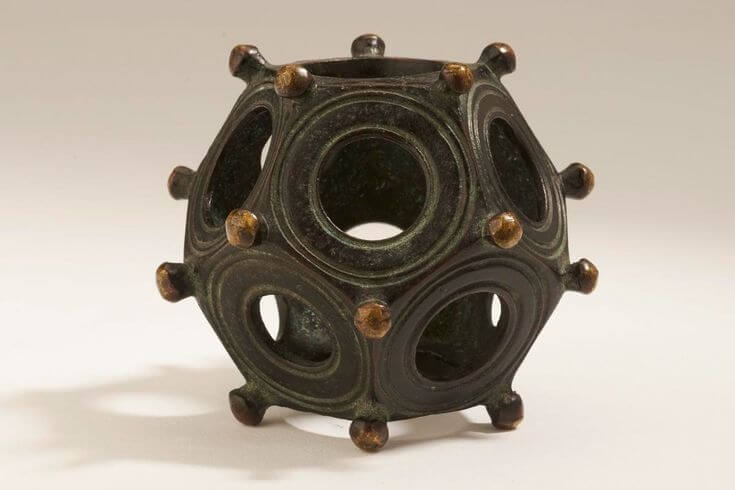
Somewhere in an English field, a bronze object emerges that defies everything historians thought they knew. This Roman dodecahedron, with twelve perfectly shaped faces, has been uncovered over a hundred times across Europe, yet the Roman Empire left no trace of it in its records. How could a civilization so meticulous in documenting military logistics, personal contracts, and architectural feats simply ignore such an object? The silence surrounding it raises questions about knowledge that Rome may have deliberately concealed.
Archaeologists and historians remain intrigued. These dodecahedrons do not resemble practical tools or weapons, and their precise geometry suggests careful craftsmanship. Found mainly in Gallo-Roman territories, their widespread presence hints at a purpose that was significant enough to be buried intentionally, yet left completely undocumented. Such omissions suggest the object may have held a ritual, symbolic, or technical importance that the Romans preferred to keep secret.
Each discovery deepens the puzzle. Unlike typical artefacts, these objects were often buried with care, untouched by time, pointing to a meaning beyond everyday use. Scholars classify them among “ancient Roman artefacts mysteries,” noting that they could have been ritualistic, technical, or symbolic. Despite hundreds of artefacts being uncovered, the lack of explanation continues to spark speculation about their true function and significance.
Modern researchers study them using archaeology, geometry, and historical analysis. The dodecahedron’s recurring appearance across Europe challenges assumptions about Roman documentation and control. It sits at the intersection of history and enigma, captivating both professional archaeologists and amateur enthusiasts. What was so important that Rome erased all traces of its use?
Historical Context of the Roman Empire

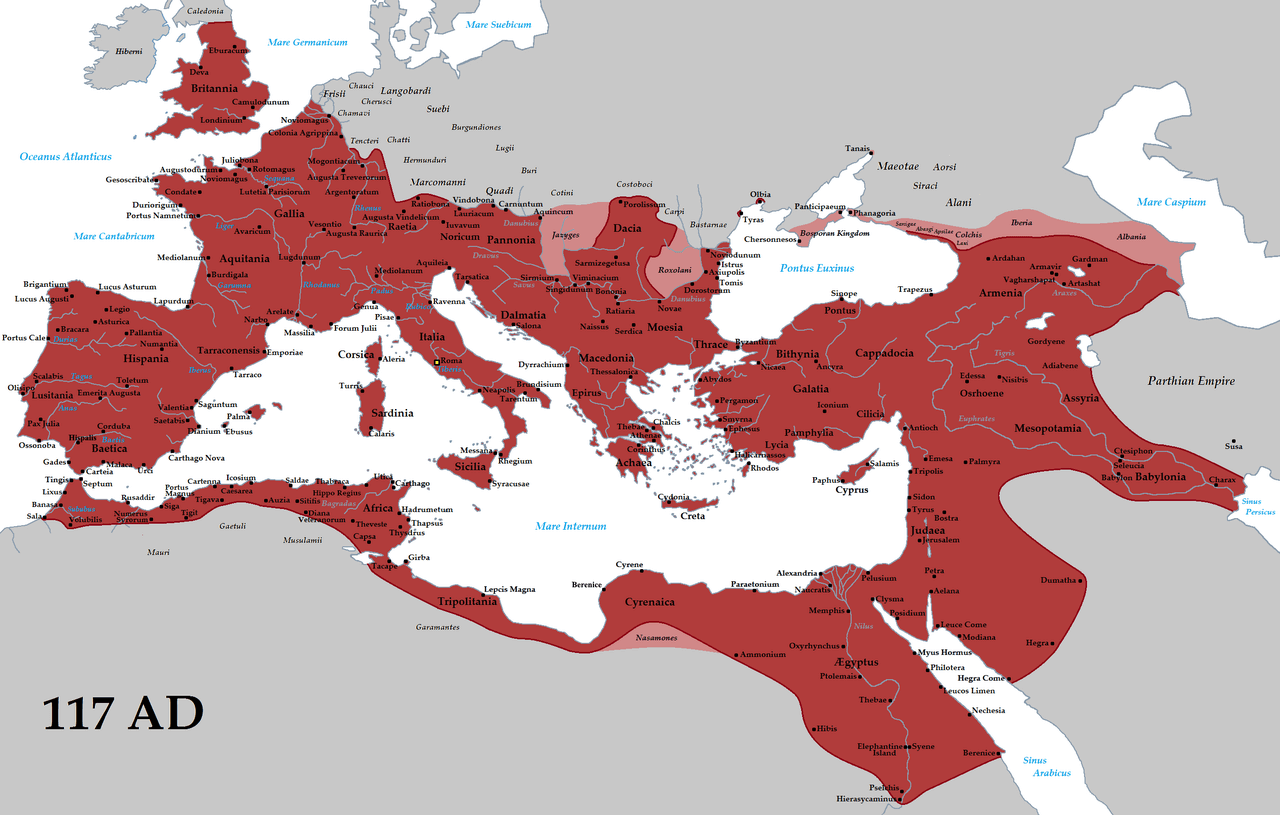
The Roman Empire was unmatched in its obsession with record-keeping, from military supplies to personal habits. Yet, the Roman dodecahedron exists outside this meticulous archive. Its absence from Roman writings exemplifies how even a civilization known for detailed records could deliberately leave gaps.
Gallo-Roman regions, where most of these objects have been found, reveal a unique archaeological pattern. These territories blended Roman administrative structures with local customs, which may have influenced the creation or use of dodecahedrons. Scholars view them as mysterious ancient objects, significant enough to be consistently manufactured across a broad geographic area.
The artefacts also highlight Roman priorities. While other bronze objects were catalogued in detail, dodecahedrons seem deliberately ignored. This omission underscores a broader historical enigma, showing that Rome sometimes chose secrecy over transparency, leaving future generations to speculate about their purpose.
Discovery & Findings
Over 100 Roman dodecahedrons have been unearthed across Europe, from England to Germany. Sites like Norton Disney in England reveal carefully buried objects that appear untouched by time. Archaeologists emphasize that these are not isolated curiosities but part of a widespread phenomenon, forming one of the most fascinating unsolved puzzles in Roman archaeology.
The construction of each artefact is precise, with twelve hollow faces and varying openings. This geometry has led to speculation that the objects served technical purposes, although no conclusive evidence exists. Artefacts from multiple locations display consistent craftsmanship, suggesting either standardized production or a shared cultural significance.
These repeated discoveries naturally led scholars to propose theories, but the artefacts remain enigmatic. Their widespread presence, combined with the absence of any written record, continues to challenge assumptions about Roman life and technology.
Theories & Speculations
Experts have suggested numerous hypotheses about the dodecahedron’s function. Some believe they were ritual or ceremonial objects, possibly connected to religious or magical practices. Others propose they were measuring devices or tools for astronomical observation, though evidence remains inconclusive.
Another idea is that dodecahedrons served practical purposes, such as candle holders or knitting devices. While plausible, these explanations cannot fully account for the deliberate burial and uniformity across sites. Theories range from functional to mystical, reflecting the difficulty of interpreting artefacts without documentation.
Some researchers suggest the objects symbolized guild mastery or secret knowledge, implying that their true purpose was intentionally hidden. This aligns with a broader pattern of Roman objects that existed but were never officially recorded, raising deeper questions about what Rome sought to conceal.
Key Facts About the Dodecahedron
- Found mainly in Gallo-Roman regions, rarely in central Italy
- Made of bronze, sizes vary from 4cm to 11cm
- No inscriptions or markings, reinforcing the mystery
- Hypotheses include ritual, astronomical, practical, or symbolic purposes
- Modern reconstructions have yet to confirm a definitive use
Mystery & Controversy

The deliberate absence of dodecahedrons from historical records makes them one of Rome’s most baffling artefacts. While nearly every aspect of daily life was documented, these objects remain unmentioned, challenging our understanding of Roman priorities.
Their repeated discovery questions assumptions about Roman society. Why would the Empire ignore an object found in multiple regions? Some suggest that the artefacts contained secret knowledge or practices intentionally hidden from official documentation.
The mystery fuels modern fascination. Roman secret objects like these inspire archaeologists, historians, and enthusiasts to investigate, speculate, and even recreate dodecahedrons. Their continued ambiguity captivates imaginations and provokes debate.
Modern Significance

Today, Roman dodecahedrons symbolize the intersection of history, mystery, and human curiosity. Archaeologists continue to study them as part of unresolved archaeological puzzles, yet their true purpose remains elusive. Each discovery sparks renewed discussion about ancient Roman artefacts and unexplained historical phenomena.
Collectors and museums prize these objects for their craftsmanship and enigmatic history. Their aesthetic appeal combined with historical ambiguity makes them intriguing examples of ancient technology and cultural symbolism, illustrating that not all of Rome’s innovations were documented.
Modern studies employ advanced tools like 3D scanning and material analysis to reveal patterns in manufacture, wear, and use, offering potential insights into this centuries-old enigma.
Cultural Impact & Public Fascination
The Roman dodecahedron captivates more than scholars. Its image circulates widely online, inspiring curiosity and speculation. Mysterious ancient objects like this spark interest in history, archaeology, and even conspiracy theories about lost knowledge.
Media coverage emphasizes the artefact’s unresolved nature, highlighting controversial Roman archaeology finds. Each new discovery or study adds to public fascination, bridging scholarly research with popular curiosity.
The dodecahedron also serves as a reminder that history is incomplete. Even the most meticulously documented civilizations can leave gaps, demonstrating that some secrets of the Roman Empire remain hidden, intentionally or not.
Conclusion
The Roman dodecahedron remains one of history’s most compelling enigmas. Found across Europe yet erased from records, it challenges assumptions about the Roman Empire, ancient technology, and cultural secrecy. Despite centuries of study, its purpose remains elusive, ensuring that historians, archaeologists, and curious minds will continue to seek answers. What did Rome fear so much that it chose silence, and will we ever truly know?


