


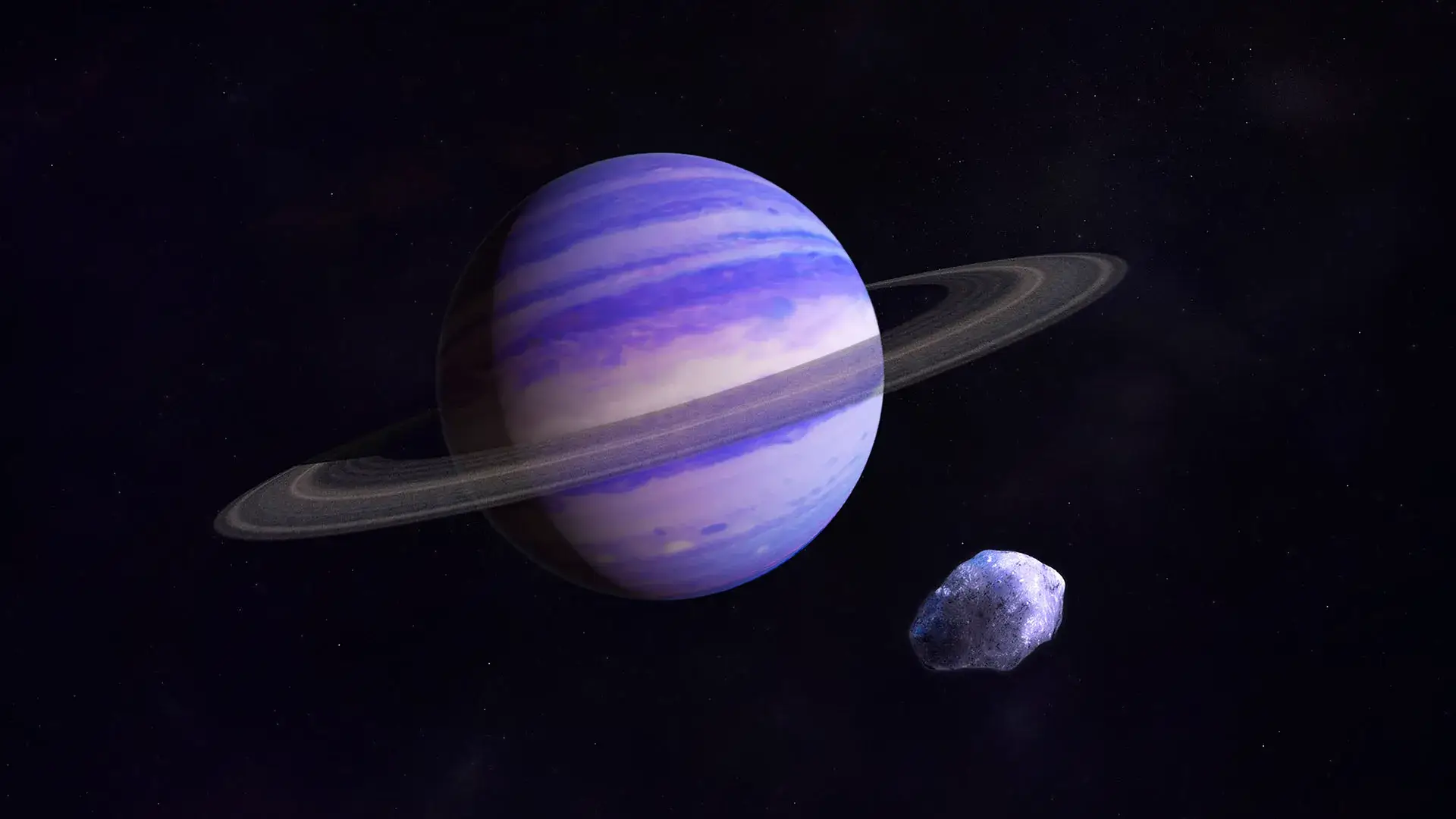
The James Webb Space Telescope is redefining how scientists understand the universe. Rather than confirming existing theories, JWST discoveries are revealing exoplanets, atmospheres, and cosmic structures that challenge long-standing models. Using advanced infrared instruments, Webb is detecting chemical signatures and atmospheric behaviour that push current planetary science to its limits. These findings are not isolated anomalies but part of a growing pattern that suggests the universe may be more chemically active and diverse than previously believed.
JWST and the New Era of Exoplanet Science

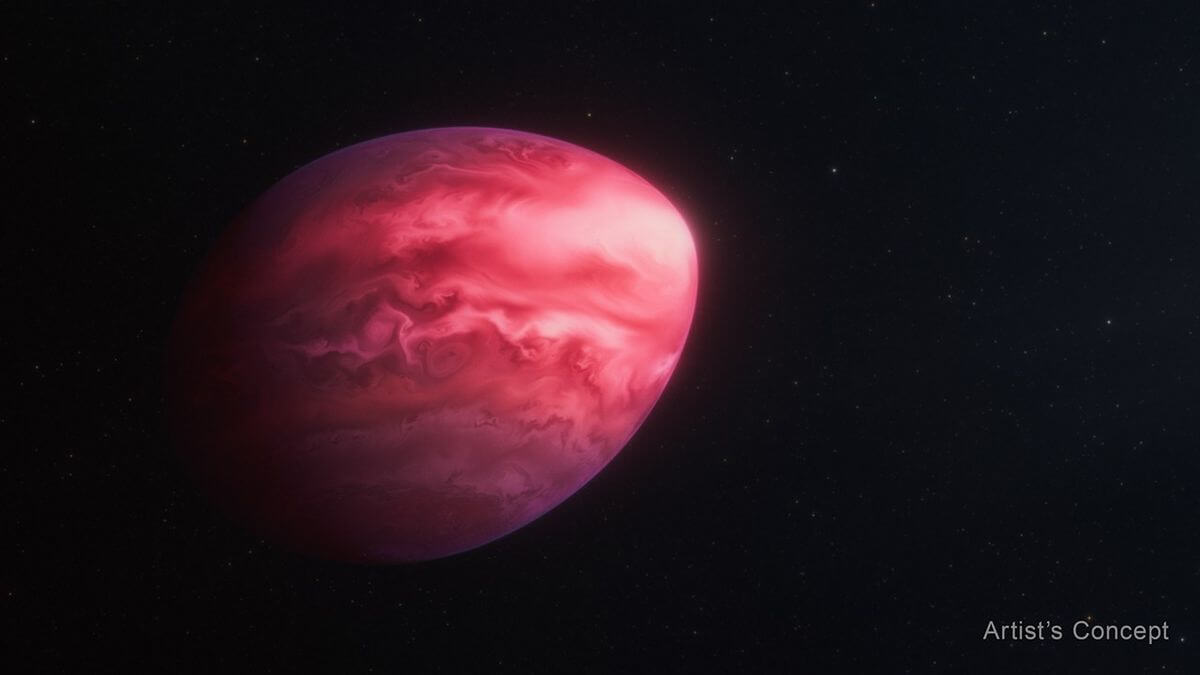
The James Webb Space Telescope was designed to study faint and distant objects, making it uniquely suited for exoplanet research. Unlike earlier observatories, JWST can directly analyse light passing through an exoplanet atmosphere during transits.
This capability has led to major JWST exoplanets discoveries, including clear detections of water vapour, carbon dioxide, and complex molecules. These observations allow scientists to examine atmospheric structure rather than infer it indirectly.
In several cases, planets once considered barren have shown stable atmospheres. This forces scientists to rethink how exoplanet atmosphere retention works under extreme radiation.
As a result, space telescope discoveries are shifting the boundaries of what types of planets scientists consider worthy of further study.
Atmospheric Chemistry and Unexpected Stability
One of the most surprising JWST discoveries involves exoplanet chemical signatures. Webb has detected molecules that should theoretically break down under stellar radiation but appear persistent.
This stability challenges previous assumptions in atmospheric analysis exoplanets research. Scientists now believe unknown protective mechanisms or atmospheric replenishment processes may be involved.
These findings also affect astrobiology discoveries by expanding the range of chemical environments that could support prebiotic chemistry.
Although no alien life evidence has been confirmed, the complexity observed suggests chemistry alone may be more resilient than models predicted.
Habitability Beyond Traditional Models
The search for habitable exoplanets has traditionally focused on Earth-like worlds in narrow habitable zones. JWST latest findings suggest this approach may be too limited.
Some JWST exoplanets orbit red dwarf stars previously considered unsuitable for life. However, Webb has detected atmospheres that persist despite intense stellar activity.
This reshapes how scientists define life beyond Earth and influences ongoing extraterrestrial life search strategies.
Habitability may depend less on Earth similarity and more on long-term atmospheric balance and chemical diversity.
Biosignatures and Scientific Caution

Biosignatures in space remain one of the most sensitive topics in astronomy. JWST can detect gases linked to biological processes, but interpretation requires caution.
Scientists emphasize that no single molecule proves life. Instead, researchers search for chemical combinations that resist non-biological explanations.
Current JWST discoveries highlight how easily natural processes can mimic biological signals. This reinforces the need for repeated observation and independent confirmation.
As a result, astrobiology research has shifted toward long-term pattern analysis rather than isolated detections.
What These Discoveries Mean for the Universe
JWST has also revealed distant planets discovery data that suggests planetary systems formed earlier and faster than expected. This challenges models of cosmic evolution.
Some strange exoplanets appear larger, hotter, or chemically richer than theory predicted, adding to the list of cosmic anomalies.
These findings imply that planet formation may be more efficient across the universe than previously thought.
Consequently, universe discoveries made by JWST suggest complexity may be common rather than rare.
Conclusion
The James Webb Space Telescope is not merely refining astronomy—it is transforming it. From exoplanet atmosphere analysis to biosignature research, JWST discoveries are forcing scientists to revise models of planetary science and habitability. While no confirmed evidence of extraterrestrial life exists, the expanding diversity of planets and chemical environments suggests the universe is far more capable of producing complexity than once believed.


