


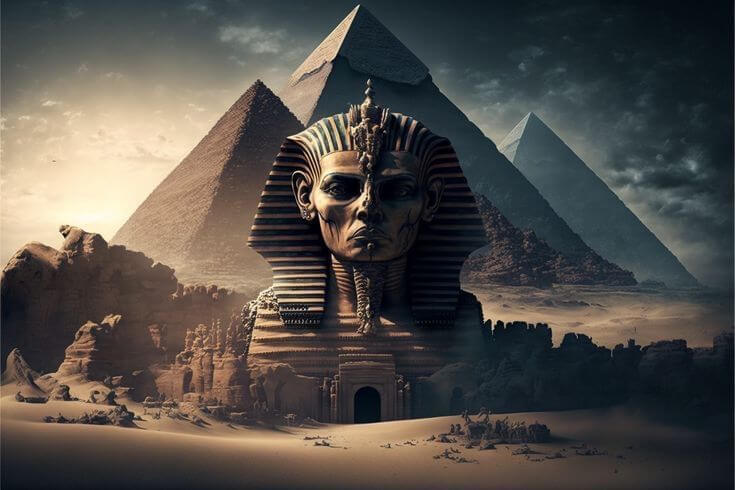
Historians are scratching their heads over a resurfaced Egyptian scroll housed in the British Museum that may support long-standing claims that biblical giants were real and not merely symbolic figures from ancient scripture.
Genesis chapter 6 describes a period of extreme human corruption that provoked divine judgment. According to the text, this corruption was linked to the Nephilim, powerful beings said to be born from fallen angels and human women. Ancient writers portrayed these figures as giants whose influence spread violence and disorder across the earth.
Biblical tradition refers to the Nephilim as “men of renown” and emphasizes their strength and dominance. Their presence, according to scripture, directly contributed to the moral collapse of humanity.
“This collapse ultimately prompted God to cleanse the world through catastrophic floodwaters.”
The Ancient Document

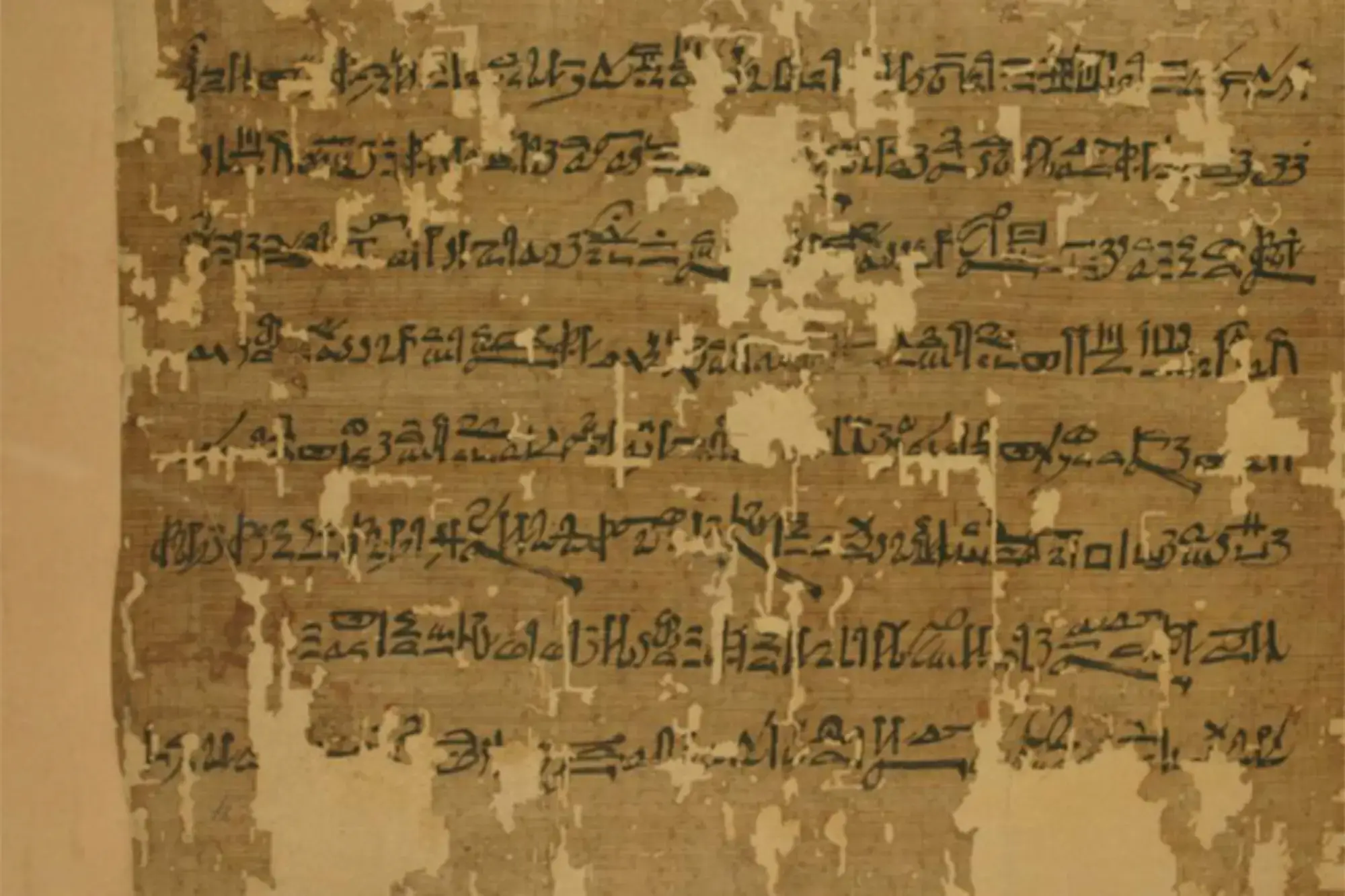
Modern interest in these ancient accounts intensified with renewed focus on Anastasi I, a 3,300-year-old Egyptian document preserved in the British Museum since 1839. Unlike biblical texts, this scroll originates outside Hebrew tradition, which makes it especially significant to researchers.
Scientists Finally Solved The Roman Dodecahedron Mystery… And It’s Worse Than We Thought
Scholars date the document to the 13th century BCE, and it describes encounters with a group known as the Shosu. The text depicts these individuals as unusually tall, aggressive, and dangerous. Their presence reportedly instilled fear in those who crossed their path.
Because the scroll predates many later interpretations of biblical writings, some scholars argue it represents independent testimony. They believe it suggests that unusually large humans existed in the ancient Near East.
Scroll Describes Giant Shosu
Researchers believe an Egyptian scribe wrote Anastasi I as a formal letter. The text describes a narrow defile infested with Shosu concealed among the bushes, where they waited to ambush travellers.
According to the scroll, some of these figures measured four to five cubits from head to foot. The scribe described them as fierce of face, unyielding in nature, and resistant to negotiation. The wording emphasizes threat and intimidation rather than exaggeration.
Four to five cubits translates to a height approaching eight feet. This stature far exceeds the average height of ancient populations and closely matches biblical descriptions of giant beings.
Biblical References to Giants Beyond Genesis
The Bible references giants in multiple books beyond Genesis, which suggests the concept was not confined to a single narrative. Deuteronomy and Joshua describe the Rephaim and Anakim as powerful groups whose size terrified opposing armies.
One of the most cited passages appears in Numbers 13:33. In this account, Israelite scouts describe encountering the sons of Anak and compare themselves to grasshoppers in their presence.
Later texts, including the books of Samuel, describe Goliath using precise measurements. These details emphasize extraordinary height and reinforce the consistency of giant descriptions across centuries.
Ancient Cultures and Giant Legends
Accounts of giants appear far beyond biblical or Egyptian records. Ancient Mesopotamian texts describe powerful beings who ruled before modern humans. Greek mythology also speaks of Titans and Giants who challenged the gods.
Norse traditions recount the Jötnar, massive entities said to exist before the current age of humanity. Indigenous cultures in the Americas preserve stories of towering beings who once dominated the land.
The repetition of these themes across disconnected civilizations has led some researchers to question accepted explanations.
“They suggest ancient societies may have recorded shared encounters rather than independent myths.”
Why Physical Evidence Remains Elusive

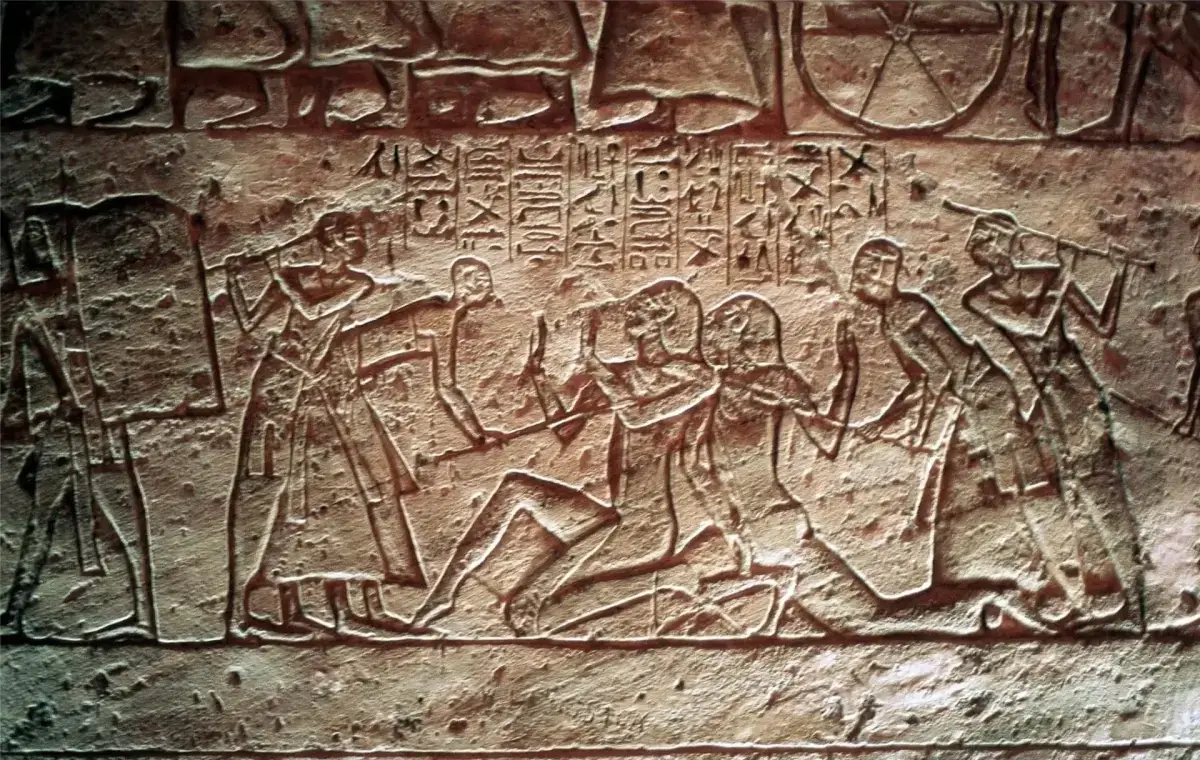
Despite widespread written accounts, definitive physical evidence of ancient giants remains scarce. Sceptics argue that symbolic storytelling, mistranslated measurements, or exaggerated oral traditions explain these descriptions.
Others suggest early archaeological discoveries suffered from misidentification or destruction. In some cases, poor documentation or pressure to conform to established historical models may have influenced conclusions.
As a result, the lack of universally accepted remains continues to divide scholars. This division leaves room for alternative interpretations and ongoing debate.
Final Thoughts
Many dismiss stories of red-haired, pale-skinned giants as legend. However, recurring reports such as miners allegedly uncovering oversized skeletons, some measuring seven to eight feet tall, continue to fuel speculation.
Similar accounts appear across ancient records and regional lore. These stories often repeat the same details of extreme height and unusual features, which suggests a persistent pattern rather than isolated invention.
Whether these accounts reflect exaggeration, misunderstanding, or fragments of forgotten history, the mystery of ancient giants remains unresolved and continues to challenge our understanding of the past.


