


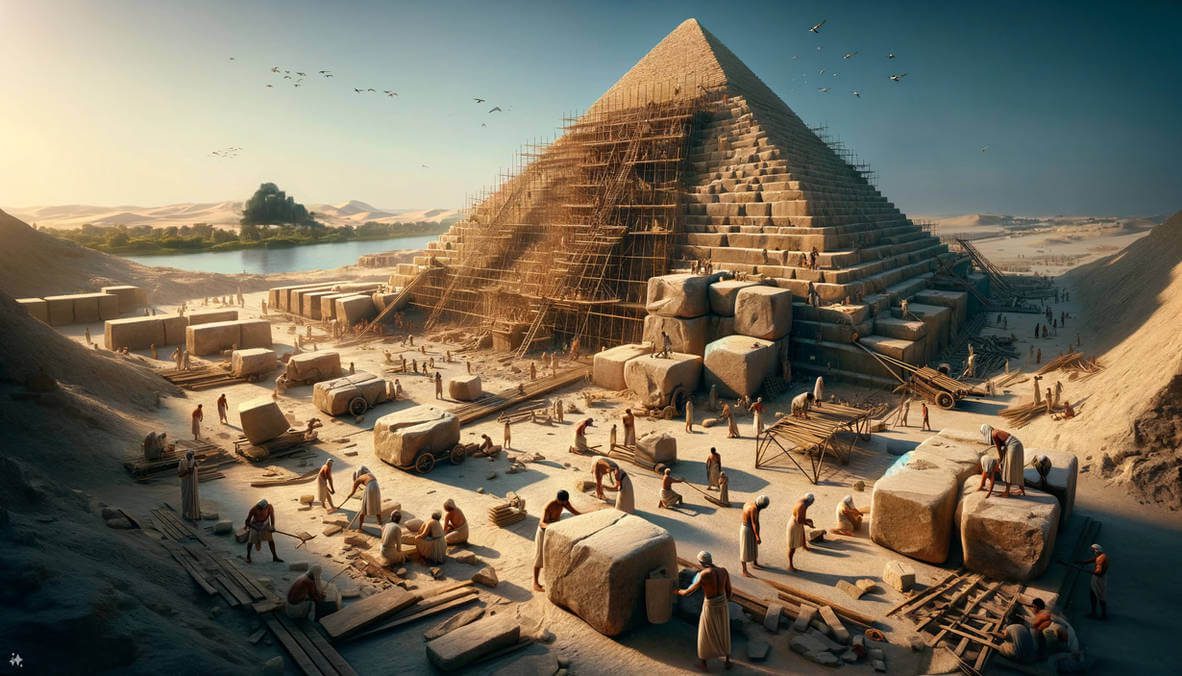
The Egyptian pyramids have fascinated humanity for thousands of years. Towering monuments built with remarkable precision, they stand as timeless symbols of ancient ingenuity and mystery. Yet, despite modern technology and countless archaeological efforts, digging underneath these magnificent structures remains strictly forbidden. What secrets lie beneath the pyramids of Giza, and why are authorities so determined to keep us from uncovering them? This article explores the hidden chambers, government restrictions, and ancient enigmas that surround these timeless wonders.
The Majesty and Mystery of the Pyramids of Giza
The Pyramids of Giza, located on the outskirts of Cairo, are some of the most iconic and enduring monuments of ancient Egypt. Constructed around 4,500 years ago during the Old Kingdom period, they were built as tombs for pharaohs—powerful rulers believed to become gods in the afterlife. The largest pyramid, known as the Great Pyramid, was built for Pharaoh Khufu (also called Cheops), and it remains the only surviving wonder of the original Seven Wonders of the Ancient World.
This Old Egyptian Book Exposed The Mega-Structures Under The Pyramids
Archaeologists and historians have long admired the architectural mastery of the pyramids. The Great Pyramid originally stood at about 146 meters (480 feet), constructed from approximately 2.3 million limestone blocks, each weighing several tons. The precision with which these stones were cut and placed continues to baffle researchers, especially considering the limited tools and technology available at the time (National Geographic).
Why Digging Beneath the Pyramids Is Off-Limits
Despite advances in archaeological techniques, authorities have placed strict restrictions on excavations beneath the pyramids. Several key reasons explain why digging under these monumental tombs remains prohibited:
-
Risk of Structural Damage
The pyramids are incredibly old and delicate structures. Any attempt to dig beneath them carries a significant risk of destabilising the foundations. Given that the pyramids have withstood millennia of natural wear and human interference, even minor disturbances could cause irreparable damage.
Experts warn that excavation could trigger collapses or cracks in the stonework, putting the entire pyramid at risk. Preserving these priceless monuments requires limiting any activity that might threaten their structural integrity (World History Encyclopedia).
-
Protection of Undiscovered Tombs and Artefacts
Beneath the pyramids, there may be undiscovered chambers, burial sites, or ancient artefacts. Some scholars believe that hidden rooms or tunnels could hold treasures or historical records yet to be uncovered. However, archaeologists must balance exploration with preservation, carefully managing any excavation to avoid harming fragile contents.
Due to the unknown nature of what lies beneath, authorities opt to prohibit digging unless absolutely necessary and supervised by professional archaeologists with the most advanced technologies.
-
Government and Cultural Control
The Egyptian government tightly controls all archaeological work within the country, especially around significant heritage sites like the pyramids. This regulation ensures that excavations meet strict scientific, ethical, and preservation standards.
Moreover, the pyramids are not just archaeological sites but sacred cultural symbols representing Egypt’s identity and history. Allowing uncontrolled digging could lead to looting, vandalism, or damage from poorly managed explorations.
Hidden Chambers and New Discoveries
Recent developments using non-invasive technologies, such as muon radiography and 3D scanning, have begun to shed light on what might be hidden inside or beneath the pyramids—without disturbing the structures themselves.
The Scan-Pyramids Project
One of the most notable efforts is the Scan-Pyramids project, an international collaboration launched in 2015. By using cosmic-ray muon detection, the project aims to identify voids or hidden chambers inside the Great Pyramid.
In 2017, researchers announced the discovery of a large, previously unknown void above the Grand Gallery, one of the pyramid’s major internal corridors. This finding sparked worldwide excitement, as it suggested the presence of a hidden space whose purpose and contents remain a mystery (Science Focus).
However, despite these intriguing findings, physical exploration of the void is still prohibited. Experts must continue to rely on remote sensing technology to gather clues while preserving the pyramid’s integrity.
Other Secret Chambers?
Historical records, including ancient texts and local legends, hint at the possibility of secret burial chambers, underground tunnels, or storage rooms beneath the pyramids. Some researchers speculate about undiscovered caches of relics or royal mummies hidden from the world.
While such ideas fuel fascination and inspire new research, concrete evidence remains elusive. Most of the pyramid’s interior has been thoroughly studied, but due to access limitations and safety concerns, much remains unexplored.
Theories and Speculations: Why the Mystery Persists
The pyramids have attracted numerous theories and speculations about their origins, construction, and purpose—many far beyond the mainstream archaeological consensus.
Lost Civilizations and Advanced Technology
Some alternative theories suggest that the pyramids were built by lost advanced civilizations or with help from extraterrestrial beings, citing the incredible precision and scale of the monuments. Proponents argue that ancient Egyptians could not have achieved such feats with the technology available at the time.
While fascinating, these theories lack solid evidence and remain outside the realm of academic archaeology.
The Role of Religion and Astronomy
More accepted explanations highlight the pyramids’ religious significance and astronomical alignments. The pyramids are believed to represent the rays of the sun, serving as stairways for pharaohs to ascend to the heavens.
Their alignment with celestial bodies, such as the stars in Orion’s Belt, suggests that the Egyptians integrated astronomy into the design, embedding spiritual and symbolic meanings.
What Lies Beneath: What We Know and What Remains Hidden
Despite decades of excavation and study, what lies beneath the pyramids remains a partly unresolved mystery.
Known Subterranean Chambers
The Great Pyramid contains a known subterranean chamber—commonly called the “unfinished chamber”—located beneath the structure. Its purpose remains uncertain, but it may have been an abandoned burial chamber or a symbolic feature.
Other pyramids on the Giza Plateau also have underground tunnels and chambers, some accessible to tourists and others sealed off.
Unexplored Areas
There are still small parts of the pyramids’ interiors and surrounding areas that are difficult to access or too fragile for exploration. Remote sensing and scanning technologies provide new opportunities to investigate these spaces without physical intrusion.
However, much of the underground area remains unexplored because of the risks involved in excavation.
Preserving the Past for the Future
Preserving the pyramids for future generations is a paramount concern. Egypt’s Ministry of Antiquities and international teams collaborate to balance archaeological exploration with conservation.
Efforts include:
- Using non-invasive technologies to study internal structures
- Monitoring the pyramids for environmental damage and erosion
- Regulating tourism to prevent wear and tear
- Conducting careful, minimal-impact excavations only when necessary
This careful stewardship ensures that the pyramids remain standing as a testament to ancient human achievement.
Conclusion: The Mystery Remains
While the idea of digging beneath the pyramids captures our imagination, the truth is that the risks and restrictions are essential to protect these priceless monuments. Hidden chambers may exist, and new discoveries continue to emerge through advanced technologies, but physical excavation remains limited to preserve the pyramids’ integrity.
As science progresses, we may one day uncover more secrets buried beneath the sands. Until then, the pyramids of Giza stand proud—guardians of ancient mysteries that continue to inspire awe and wonder across the world.


For those intrigued by the mysteries beneath the pyramids, there’s an insightful video featuring Joe Rogan and his guest, where they discuss expert opinions and hidden secrets related to these ancient wonders. Be sure to watch it below for a fascinating perspective straight from the experts themselves.
* * *

You’ll Love This One …
Archaeologists Discover Ancient Egyptian Machine That Defies Modern Technology

Throughout history, artefacts and architectural structures have surfaced that challenge everything we think we know, revealing technology so advanced that it seems impossible for their time. From intricately crafted metals and mysterious texts to complex machines that appear centuries ahead of their era, these discoveries continue to baffle modern historians, archaeologists, and scientists.
Today, we will explore some of these perplexing finds that defy logic and invite us to question our understanding of the past.
Are you ready to open your mind to these astonishing possibilities?
* * *
READ NEXT: Graham Hancock: “What They Just Discovered In Egypt Terrifies The Whole World!”
Trending Now: 5,000-Year-Old Soil Yields Shocking Find: Two Giant 30-Foot-Tall Bodies Unearthed In Egypt
Stay Connected: Follow us on Telegram for the latest shocking discoveries and exclusive stories!
Got thoughts or tips? Drop a comment below — we love hearing from you!