
Deep beneath the soil of Montana, researchers uncovered a discovery that reshaped history. What first appeared to be a simple burial site quickly revealed itself as one of the most important genetic time capsules in North America. The remains belonged to a young child laid to rest nearly 12,900 years ago, when early humans still spread across the continent. For decades, scientists debated who these first people were and how they arrived, but this grave finally brought clarity.
Archaeologists later identified the child as part of the Anzick site. The burial included tools crafted in the Clovis tradition, a culture long tied to early inhabitants of the continent. Artefacts alone could not answer deeper questions about ancestry. Only modern DNA sequencing unlocked the true importance of this find. When scientists decoded the genome, the results transformed long-standing theories.
The analysis revealed a direct genetic link between this ancient child and modern Indigenous populations across the Americas. This marked the first time researchers proved such a clear connection. It challenged older ideas that suggested separate migrations. Instead, the evidence pointed to a shared ancestral population. The story of the Americas became more unified, yet more complex.
The DNA also revealed surprising details about timing and movement. It showed that early populations spread across vast distances far faster than expected. This was not a slow expansion. It was a rapid and adaptive migration across harsh environments, from icy landscapes to dense forests.
The Discovery of the Anzick Burial Site

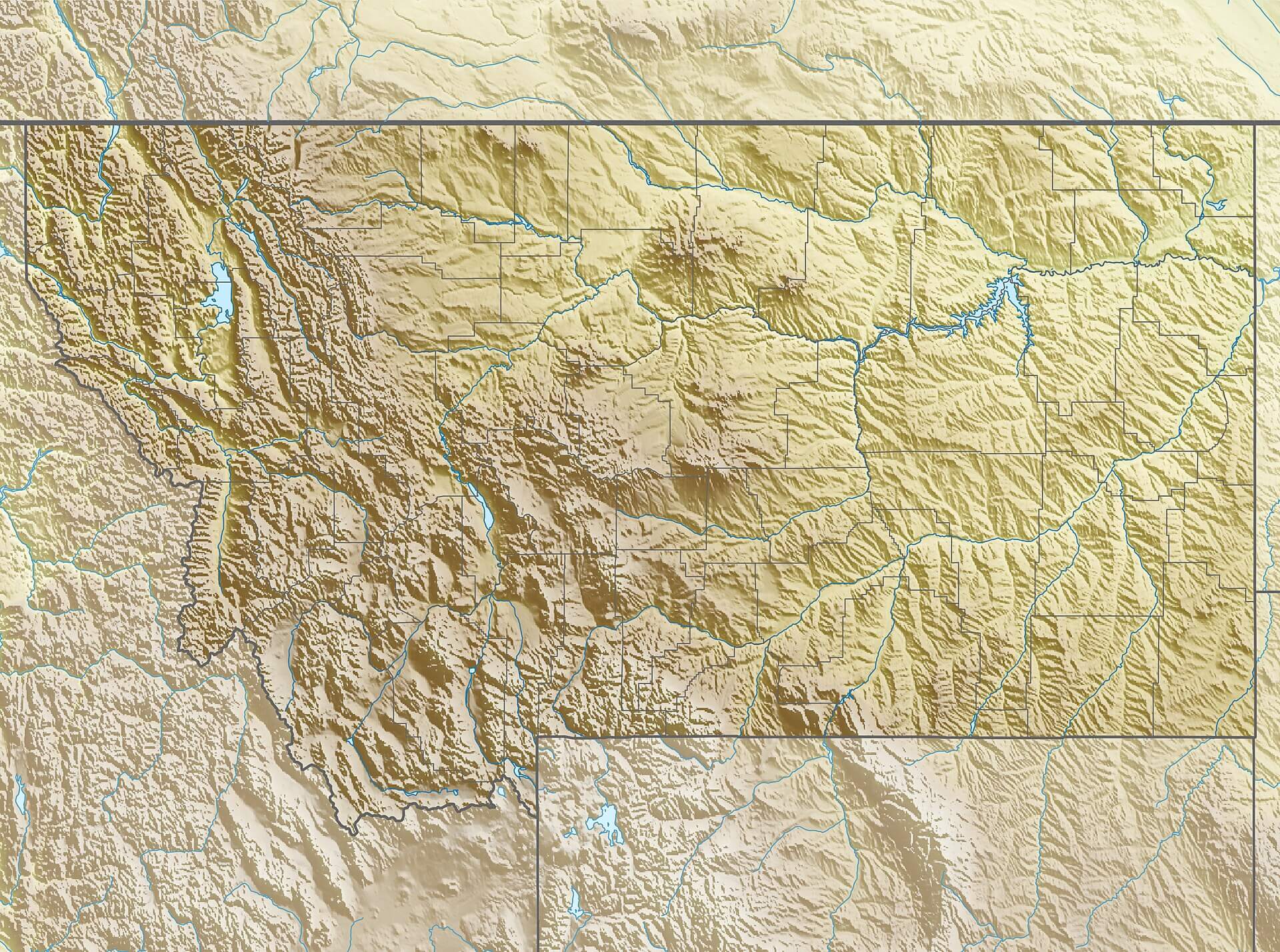
Workers uncovered the Anzick site in the late 1960s near Wilsall, Montana. Construction activity exposed a cluster of ancient artefacts along with the remains of a young child. The burial included red ochre, a material often linked to ritual practices.
Before He Died, Chief Joseph Found Something That Shouldn’t Exist, Now In 2026 The Truth Revealed
Researchers quickly recognized the site’s importance. The tools matched the Clovis culture, known for its distinct fluted spear points. However, without genetic evidence, scientists could not confirm the child’s origins or broader significance.
Decades later, scientists returned to the site with advanced technology. They extracted and sequenced the DNA with great care. This step allowed them to reconstruct the child’s genome and opened a direct window into the past.
DNA Analysis Changes Everything
The genetic results challenged long-standing assumptions. Scientists found that the Anzick child shared strong genetic ties with modern Native American populations. This discovery reshaped how researchers viewed ancestry in the Americas.
Earlier theories suggested that early populations might have disappeared or been replaced. The DNA evidence rejected that idea. It showed continuity between ancient and modern populations across the continents.
This discovery carried cultural importance as well. It confirmed deep ancestral roots for Indigenous communities. It also aligned with many oral histories that described long-standing connections to the land.
A Single Ancestral Population
The DNA pointed to a single founding population for most Native Americans. Instead of multiple unrelated migrations, one primary group entered the continent and later diversified.
This group likely came from northeast Asia. They crossed into the Americas through Beringia during the Ice Age. From there, they moved south and spread across the land.
The Anzick child served as a key genetic link. It connected ancient populations to modern descendants. This finding strengthened the idea of a shared origin across diverse Indigenous groups.
Rapid Migration Across the Americas
The discovery showed how quickly early humans spread. Genetic data suggested that people reached South America within a few thousand years of entering North America.
This speed challenged older theories of slow movement. Early humans adapted quickly to new environments. They survived in mountains, forests, and open plains.
Key insights from this rapid expansion include:
- Early humans crossed vast distances in a short time
- They adapted quickly to different climates
- Migration likely followed both inland and coastal routes
- Innovation supported survival in harsh conditions
- Populations expanded rapidly once settled
These patterns highlight the resilience of early humans. They also suggest that migration routes were more complex than once believed.
The Role of the Clovis Culture
The Clovis culture remains one of the earliest known archaeological traditions in North America. The tools found at the Anzick site clearly match this culture.
For many years, researchers believed Clovis people were the first inhabitants of the Americas. New discoveries now suggest earlier groups existed. Still, Clovis remains central due to its wide reach.
The Anzick child links Clovis people to modern Indigenous populations. This connection shows continuity rather than replacement. It ties ancient toolmakers to living descendants.
Connections to Modern Indigenous Peoples
The DNA established a direct link to modern Indigenous communities. The genetic similarities appear strongest with groups in Central and South America.
This connection holds deep meaning beyond science. It confirms long-standing ties to the land and supports cultural traditions. Many communities view this as validation of their history.
Researchers also worked more closely with Indigenous groups during this study. Collaboration ensured respect and cultural sensitivity. This approach set new standards for future research.
Rethinking Migration Theories

Before this discovery, scientists debated multiple migration theories. Some suggested several waves of people entered the Americas from different regions.
The Anzick DNA simplified part of this debate. It supported the idea of a single founding population. At the same time, it showed how groups later diversified.
This new perspective presents migration as both unified and dynamic. It recognizes shared origins while allowing for regional differences that developed over time.
The Impact on Historical Narratives
The discovery forced historians to update long-held models. Textbooks began to reflect this new genetic evidence. Older assumptions about separate populations faded.
Educators now present a more accurate and inclusive history. They highlight the deep ancestry of Indigenous peoples. This shift improves understanding of early human history in the Americas.
The Anzick child stands as a powerful symbol. It shows how one discovery can reshape knowledge. It also proves the value of combining archaeology with modern science.
Conclusion
The DNA of a 12,900-year-old child from Montana transformed our understanding of the past. It revealed a shared ancestry and a rapid human expansion across the Americas. This discovery replaced uncertainty with clarity and connected ancient populations to living communities. It also showed the strength and adaptability of early humans. As research continues, new discoveries may refine this story, but the Anzick child will remain a key piece in understanding how the Americas were first populated.