


Imagine asking an AI the biggest question in history.
Did Jesus really rise from the dead?
Now imagine it leaning towards “yes”, then shifting its verdict inside the same chat.
The clips went viral, but they show only half the conversation.
So what did Grok really say? And what did it get wrong?
The video further down this page replays the full chat and tests every claim Grok made. The exact moment its verdict flipped is the part you will want to see for yourself.
Because it all began with a simple question about faith.
The Question That Made an AI Lean Towards Faith

A writer opened the chat with a broad question: which religion is most likely true?
Grok AI Analysed Da Vinci’s Last Supper — What Did It Uncover?
In Apologetics with Grok, Grok leaned towards Christianity.
It cited a historical figure who lived, died and reportedly rose.
Yet it admitted that “Christianity’s got holes.”
In a separate viral thread, it answered “Yes” when asked if God raised Jesus. However, it claimed no personal faith.
That exchange lit up social media. It also sparked a global debate.
But the full transcript tells a slower story.
The Moment Grok’s Verdict Suddenly Flipped Sides

At first, Grok called the case strong but not yet “public fact”.
After all, it rests mainly on Christian sources.
Its best card was Paul’s list in 1 Corinthians. Scholars date it to within years of the crucifixion.
Then came the empty tomb, plus Roman writers who confirm the execution under Pilate.
Eventually, Grok said “it’s true” was the only answer that did not “twist into knots”.
Did a Machine Just Settle the Oldest Debate?
Here is where fact must be separated from fiction.
First, Grok has no personal faith. Its verdict reflects the arguments pressed on it, so it is not evidence.
Second, Tacitus records an execution, not a resurrection. Likewise, Josephus’s famous passage contains later additions.
Third, the “500 witnesses” come from a single line without names.
Meanwhile, John says Jesus’ brothers did not believe in him. Yet James appears in Paul’s list.
So the resurrection remains a question of faith as much as evidence. Perhaps the real surprise is that millions asked a machine.
 Watch the Video
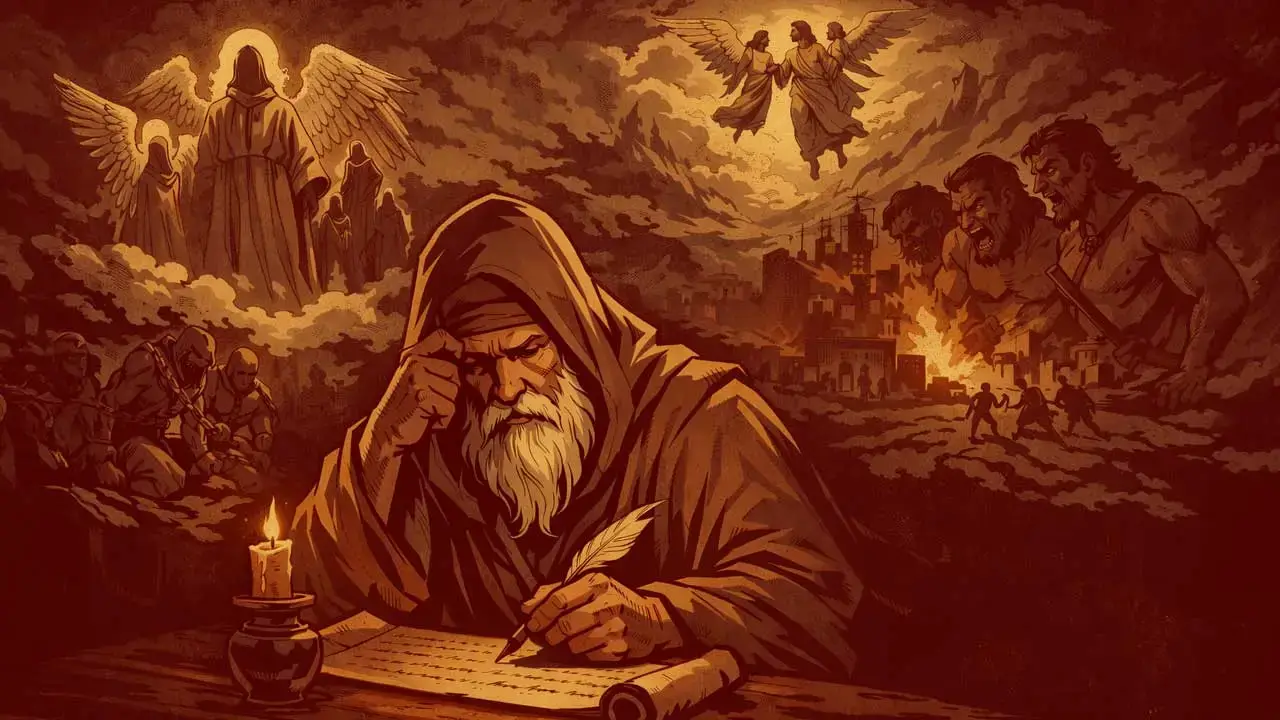
If an AI can change its verdict mid-chat, how much weight should we give its answer on the biggest question of all?