

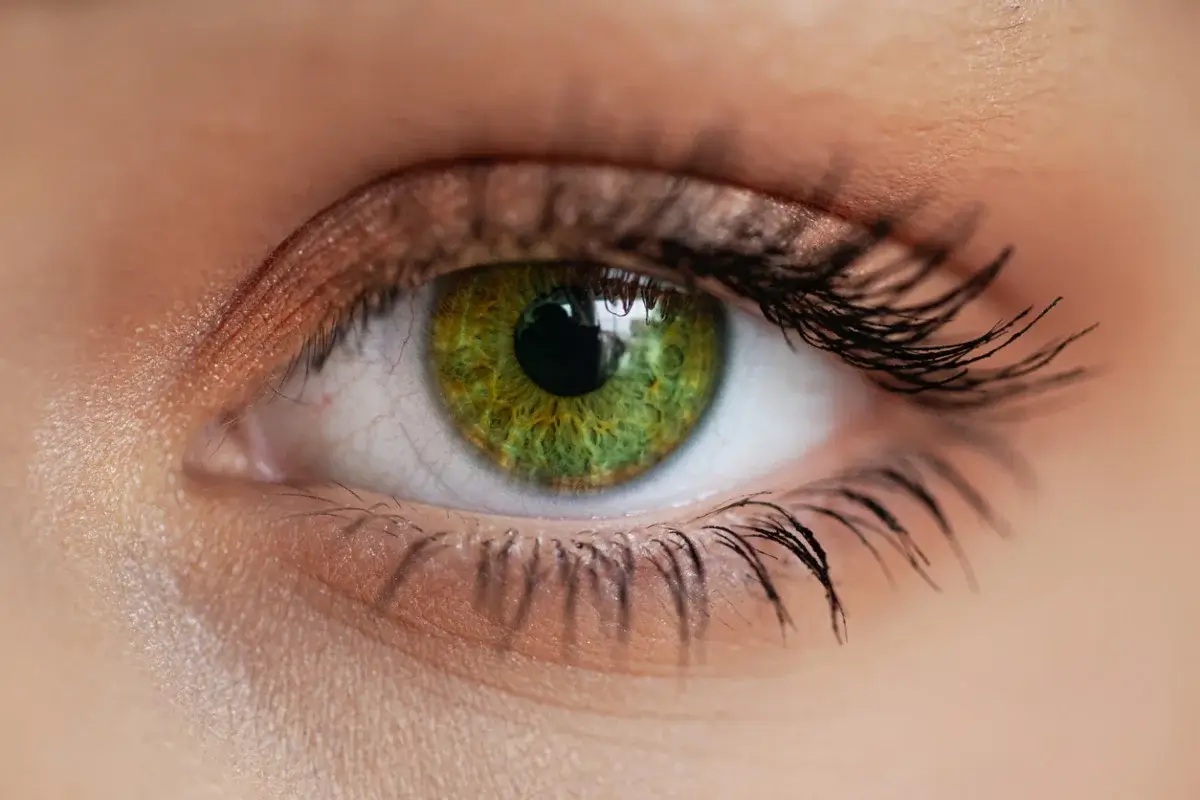
Green eyes seem simple.
Look closer, however, and something strange appears.
There is no simple green pigment creating their colour.
So what are we actually seeing?
The answer involves genetics, melanin and the way light interacts with the iris.
And the deeper scientists have investigated eye colour, the less convincing the old inheritance rules have become.
Green eyes are relatively rare worldwide. But their rarity is only part of the mystery.
Their appearance comes from pigmentation, microscopic iris structure and the way light interacts with both.
That can make the same pair of eyes appear surprisingly different under changing conditions.
But the genetic puzzle goes even deeper.
Eye colour is not controlled by one simple switch.
It is influenced by many genetic variants working together.
So why can siblings have completely different eye colours?
And why can the same family produce brown, blue and green eyes?
The video below explores the science behind green eyes and the discoveries that revealed just how complicated eye colour really is.
Because behind those rare green irises lies a biological story far more fascinating than it first appears.
The Strange Science Behind Green Eyes
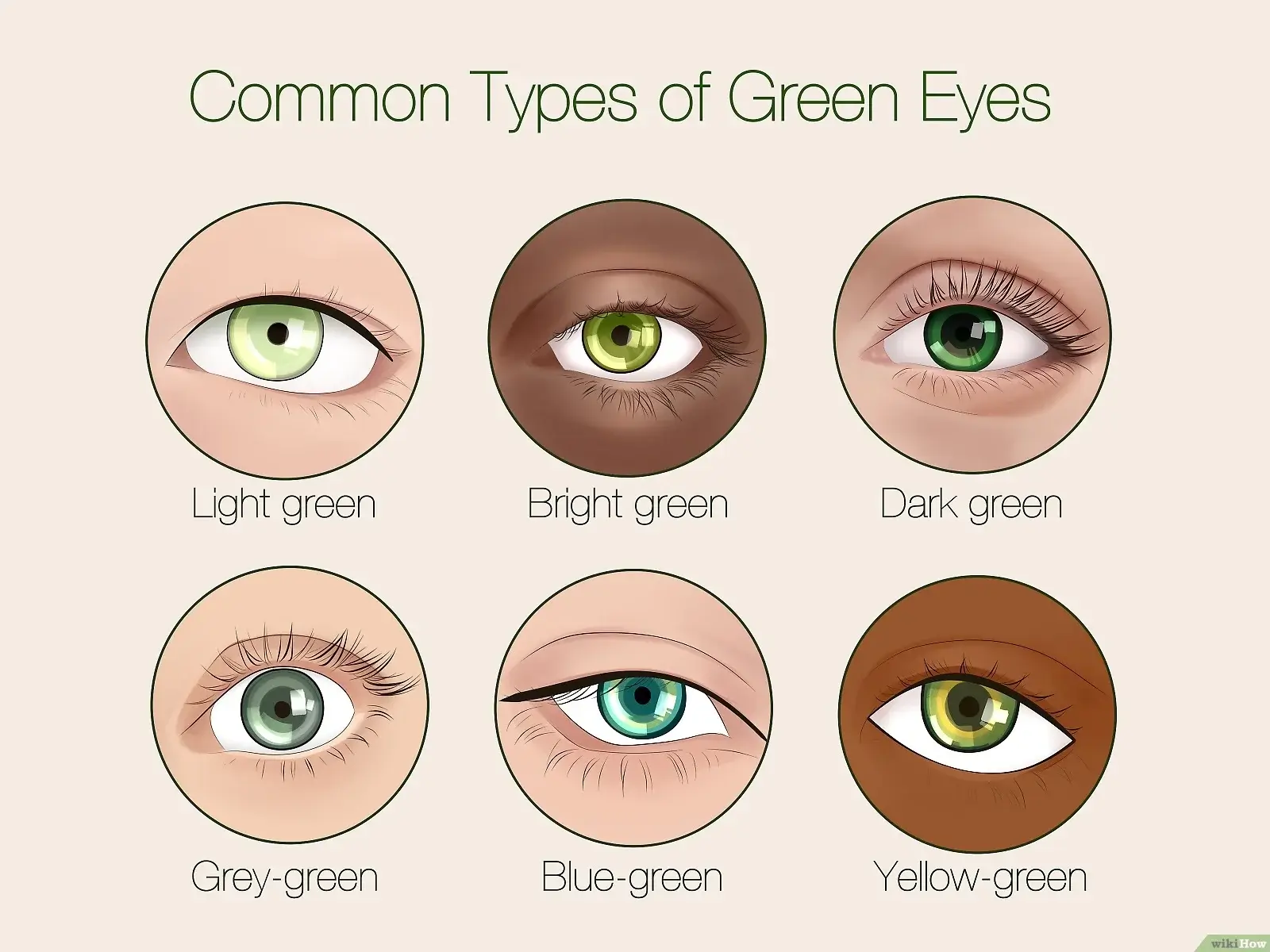
Green eyes do not contain a straightforward green pigment.
If You Have Blue Eyes — DNA Finally Revealed Where They Really Come From
Instead, their appearance is linked to relatively low-to-moderate amounts of melanin and the microscopic structure of the iris.
Light interacting with those structures helps create the colour we perceive.
That is why green eyes can look dramatically different under changing conditions.
They may appear bright green in sunlight, then look darker or greyer elsewhere.
Even green eyes themselves are not one uniform shade.
Genetics adds another layer to the mystery.
There is no single “green eye gene” controlling the result.
Genes influence melanin production, pigmentation and iris development.
Among the most important are OCA2 and HERC2.
But they are only part of a much larger genetic picture.
Other variants also contribute to differences in human eye colour.
The result is a trait that looks straightforward from the outside but is remarkably complex underneath.
Why Eye Colour Genetics Defied Simple Rules
For years, eye colour was often taught using a simple inheritance model.
Brown was described as dominant.
Blue was described as recessive.
But human eye colour does not follow such a neat formula.
Modern research shows that it is a polygenic trait.
That means multiple genes and genetic variants contribute to the final colour.
OCA2 plays an important role in melanin production.
HERC2 can influence how strongly OCA2 is expressed.
And researchers have identified many other variants linked to differences in eye colour.
This helps explain why siblings can have noticeably different eye colours.
Each child inherits a different combination of genetic variants.
That combination can influence how pigmentation develops within the iris.
Suddenly, the familiar three-colour chart looks far less complete.
And green eyes make the puzzle even more intriguing.
Their appearance depends on several biological factors coming together.
Genes provide much of the instruction.
But the final colour emerges through pigmentation, iris structure and light.
What looks like a simple trait is actually the visible result of a remarkably intricate process.
Final Verdict: Why Are Green Eyes So Rare?
Green eyes are rare, but rarity alone is not the real mystery.
Their colour is produced without a straightforward green pigment.
Instead, genetics, melanin, iris structure and light all contribute to what we see.
Modern research has also transformed our understanding of eye-colour inheritance.
There is no single genetic switch deciding whether someone will have brown, blue or green eyes.
Multiple genetic influences shape the final result.
That is why even people from the same family can end up with dramatically different eye colours.
Yet scientists still cannot reduce every person’s eye colour to a perfectly predictable formula.
There are simply too many interacting factors.
And that may be the strangest part of all.
A colour we recognise instantly can emerge from an intricate combination of genes, biology and light.
So when you look into green eyes, you are not simply seeing green.
You are seeing the visible result of a biological process far more complicated than it first appears.
 Watch the Video

Do you have green eyes, or does someone in your family? Do you think genetics fully explains their unusual colour?